Panel Review · Advanced-level guidance

Beside Calming Waters

By Keith Brown · 5/24/2026

Body of Work Score

57/ 100 overall*Panel's read: Intermediate
Vision5.3/10
Craft6.8/10
Cohesion4.8/10
Resonance5.8/10

Scores are absolute — they reflect the work itself, not the photographer's declared level. The same body of work earns the same numbers whether submitted by a beginner or an expert; only the Curators' guidance adapts to level. Keeps the Body of Work leaderboard meaningful and lets photographers track real progress over time.

The sequence

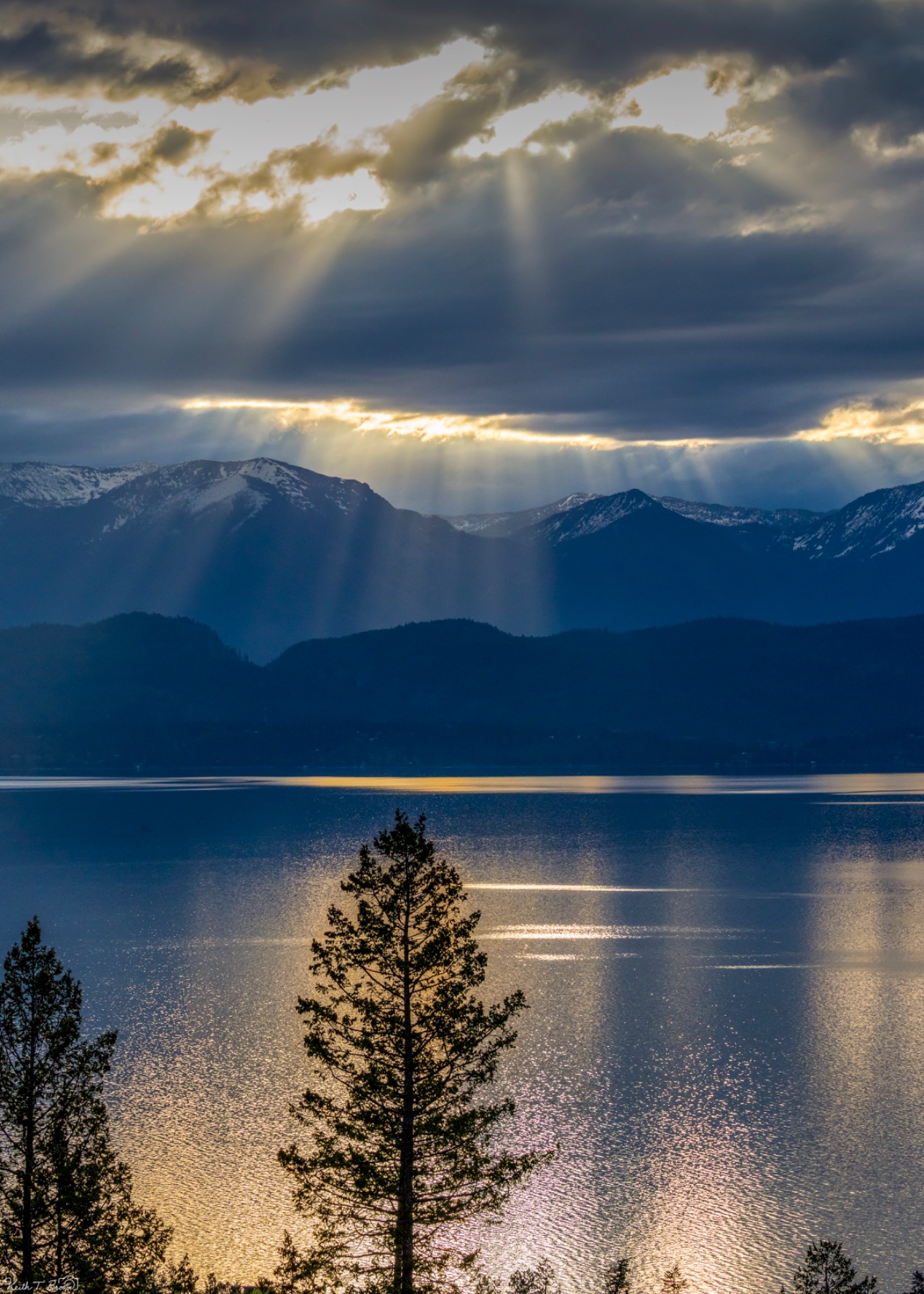
Crepuscular rays over mountain lake1🛠 Camera Enhanced
Crepuscular rays over mountain lake
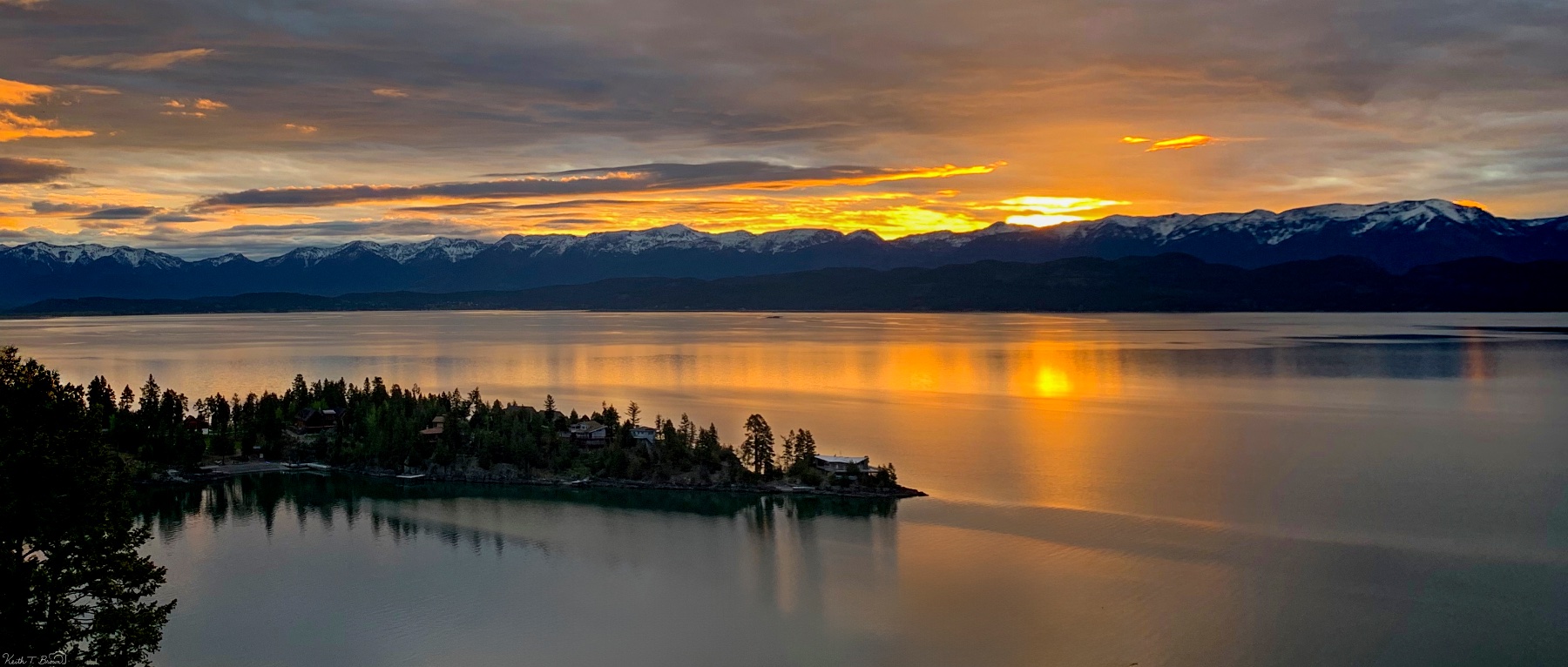
Golden Sunset Over Alpine Lake2🛠 Camera Enhanced
Golden Sunset Over Alpine Lake
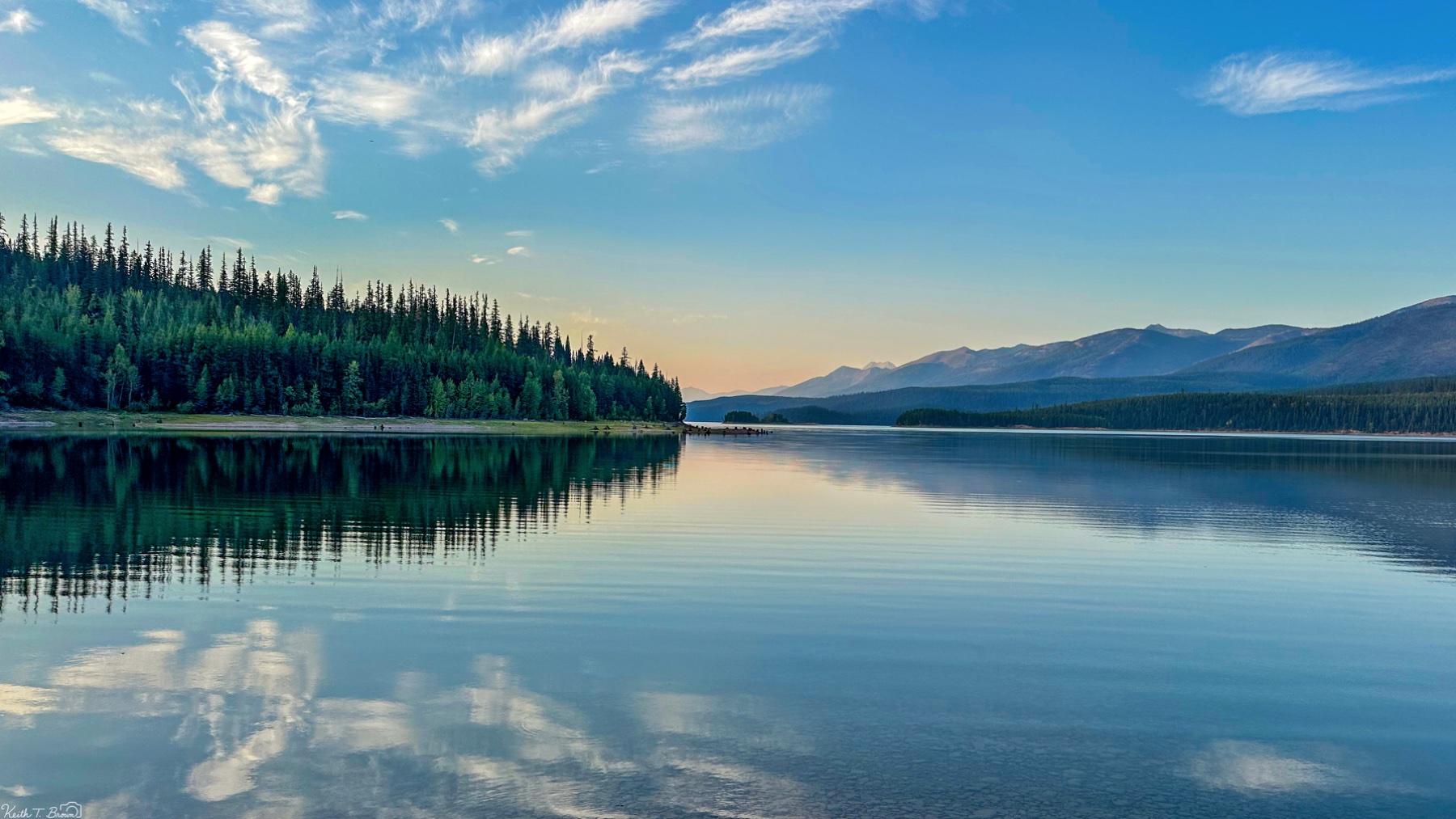
Mirror-still lake at dawn with forested shores3🛠 Camera Enhanced
Mirror-still lake at dawn with forested shores
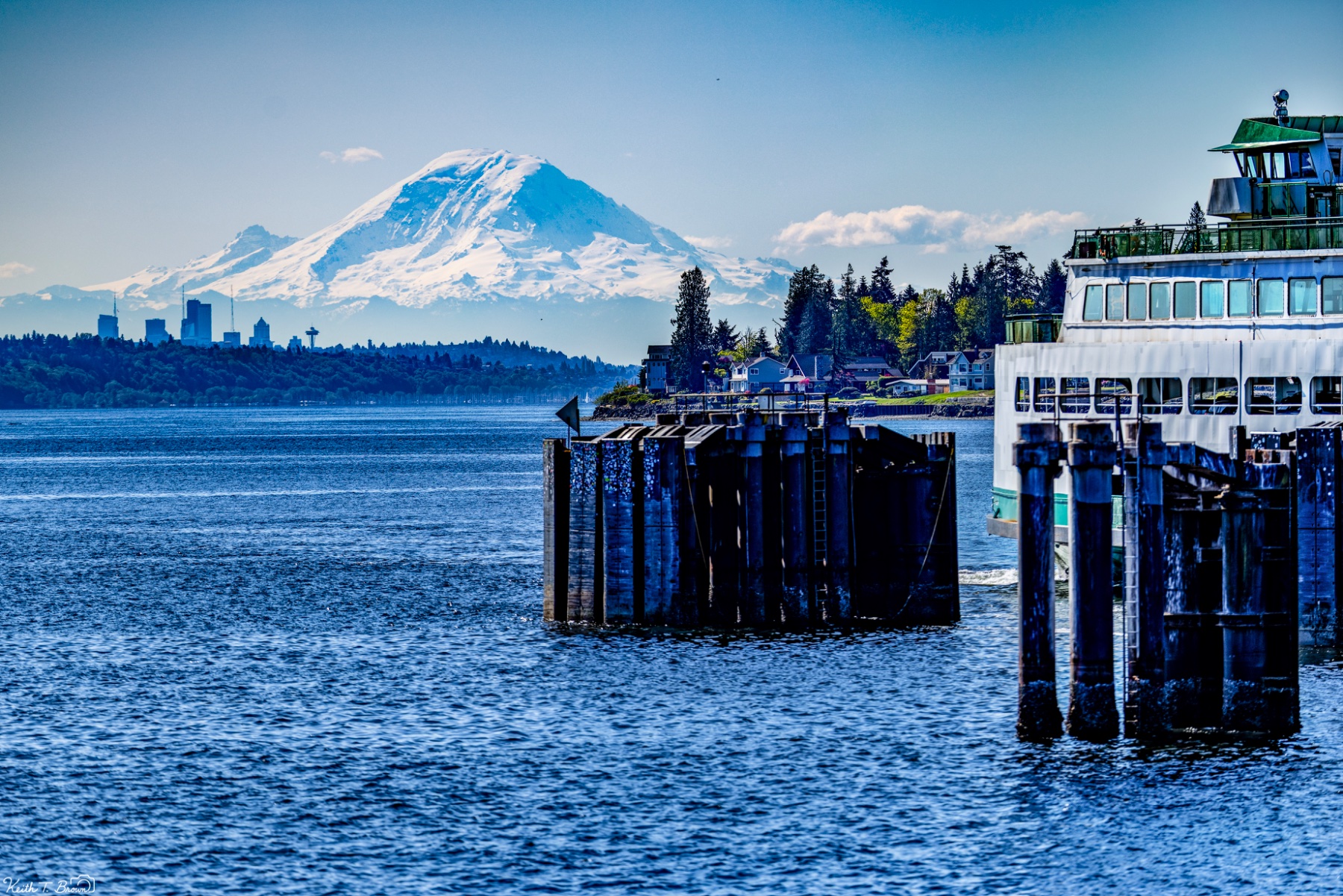
Image 44🛠 Camera Enhanced
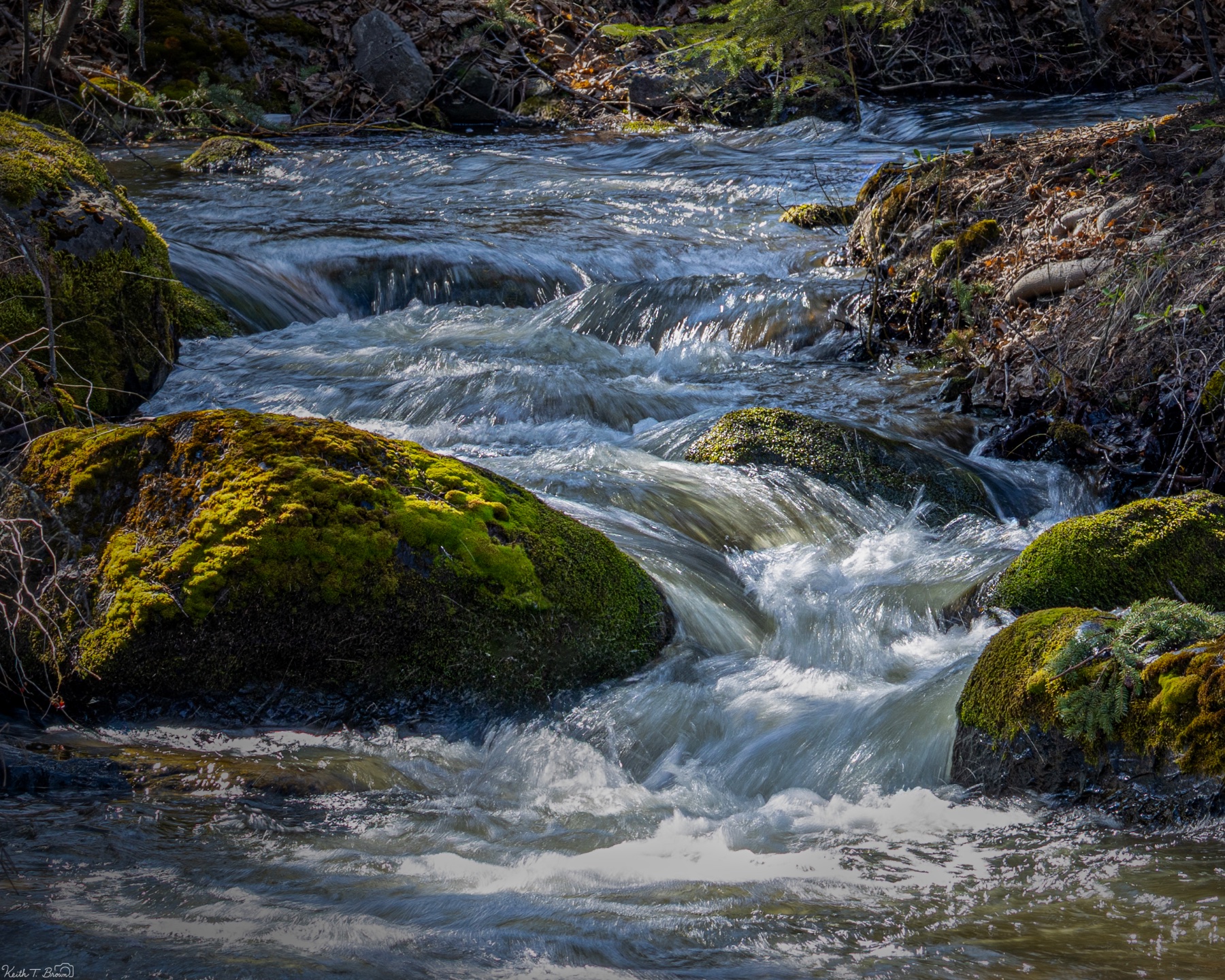
Moss-covered boulders in rushing mountain stream5🛠 Camera Enhanced
Moss-covered boulders in rushing mountain stream

Project statement

Beautiful bodies of water

The Panel

The 3 Curators who read your work.

Hush

Hush values the intimate and unguarded — a hand at rest, a partial gesture, a window of light on a private moment. Hush rewards quiet humanity over staged drama, favoring images that feel observed rather than performed.

Drift

Drift is drawn to animals at home in their element. Drift rewards patience, behavioral detail, and the photographer's invisible presence — images where the animal is allowed to be itself, not coaxed or interrupted, and where natural light tells the story alongside the subject.

Tableau

Tableau is drawn to the patient study of arranged form — fruit on linen, hands at a meal, an object on a windowsill. Tableau rewards composition, light, and surface texture as the active subjects, covering both classical still life and editorial food work. The deliberate eye that elevates an object into a frame worth holding.

Synthesis

Cross-Curator read of where the panel agreed and diverged.

What this body of work consistently shows is a patient eye for layered light and a real instinct for anchoring foreground — the silhouetted pine under the crepuscular rays, the moss-bouldered eddy in the closing stream, the way horizon placement never falters. The opening frame is read across the board as the strongest single image, valued for its three depth registers and for the small dark witness that keeps the sky from dissolving into postcard. The closing intimate stream is also widely admired for restraint with shutter speed — water that moves without going to cotton — and the mirror-dawn frame draws genuine respect for trusting quietness, though one read calls that same restraint almost too polite to hold a viewer. The clearest divergence is around the Rainier-and-ferry frame: one read finds it the most observed image in the set because of the small bird on the piling, while others flag it as the tonal outlier whose pushed blues and human infrastructure fight the wilderness argument the rest of the sequence is making. The most actionable thread running across the panel is this: the work currently presents five strong locations rather than an argued body, and the way forward is to narrow. Decide what these waters mean beyond beauty, unify the processing register so the saturated frames stop announcing themselves, and either commit to the intimate, foreground-anchored seeing that frames one and five already demonstrate, or expand the set to twelve-plus images so sequence and rhythm can do work that five singles cannot. The craft is here; the thesis is what's still to be chosen.

Curator reads

Hush
Vision5.5/10
Craft7.0/10
Cohesion5.0/10
Resonance6.0/10
Your statement is disarmingly simple — beautiful bodies of water — and the sequence honors that promise honestly. What I notice first is how patient your eye is at distance. The opening frame works hardest: those crepuscular rays falling across the lake have a held-breath quality, and the silhouetted pine in the foreground gives the light something to land against. Without that tree the image would dissolve into postcard; with it, the frame has a small, dark witness. That instinct — letting one quiet shape anchor an enormous sky — is the most distinctive thing in the portfolio. The second image, the panoramic sunset, is technically clean and the burning sun-path down the water is gorgeous, but it sits more comfortably in the language of landscape calendars than the first frame did. The third, the mirror-still dawn, is where your restraint shows up again — the muted blues, the soft clouds, the way the reflection nearly halves the frame. It breathes. It also risks being too polite; nothing in it asks the viewer to stay. The fourth frame is the outlier and I want to sit with it. The ferry pilings, Rainier floating behind the city, the small bird perched on the post — this image has the most observed feeling of the five. Something is actually happening. The processing pushes the blues hard, harder than the scene probably was, and that bluntness fights against the quiet noticing the composition is doing. The closing image, the moss boulders in the stream, finally brings us close. After four wide frames it's a relief to be near something. The greens are alive, the water has motion, and the shutter choice keeps texture in the rapids rather than smoothing them into cotton. Where the sequence asks more of you: as a body of work, this reads as five separate beautiful places rather than an argument about water. Each frame is competent-to-strong on its own, but they don't talk to each other yet. The scale jumps — grand vista, grand vista, grand vista, mid-distance, intimate — feel like a slideshow rather than a considered descent. Try sequencing for rhythm: alternate scale, alternate temperature, let a quiet frame earn the next loud one. Or commit further in one direction — five intimate water studies at the scale of frame five would be a much more distinctive portfolio than five vistas with one closeup. On processing: the saturation and contrast are doing a lot of lifting, especially in frames two and four. Water photography rewards a lighter hand because the subject is already doing the seductive work. Try a pass where you pull saturation back fifteen percent and let the light itself carry the image. The first frame mostly resists this temptation and is stronger for it. Finally — and this is the harder note — "beautiful" is a low bar for a photographer working at your level. These places were beautiful before you arrived. What did you see that someone standing next to you wouldn't have? The pine in frame one is your answer. The bird on the piling in frame four is your answer. The specific moss-bouldered eddy in frame five is your answer. Trust those small witnessing moves more than the grand light. The next iteration of this project might be less about the bodies of water and more about your particular way of being beside them.
Strengths
  • The silhouetted pine in the opening frame gives the crepuscular light something human-scaled to fall against, and it's the most authored decision in the portfolio.
  • Frame three's restraint with the dawn palette — soft blues, halved reflection, no dramatic intervention — shows real trust in a quiet image.
  • The closing stream image keeps texture in the water rather than smoothing it into the cliché long exposure, which respects the subject's actual character.
  • The small bird on the ferry piling in frame four is a genuinely observed detail in an otherwise iconic Rainier composition.
  • Across the set, your eye finds anchoring foreground elements (tree, pilings, boulders) rather than floating in pure vista — a real compositional habit.
What to try next
  • Sequence for rhythm rather than greatest-hits — let a quiet frame sit beside a loud one, and vary intimacy and scale so the viewer is moved through the work rather than shown it.
  • Pull saturation and contrast back about fifteen percent globally; water and sky already do the seductive work, and lighter processing will make your compositional choices more visible.
  • Try a project of five intimate water studies at the scale of the moss-boulder frame — close, specific, observed — and see if that voice feels more yours than the wide vistas.
  • Push past "beautiful" as the organizing word; ask what specifically you saw that another photographer standing in the same spot would have missed, and let that be the next project's title.
  • When you find a scene like frame four, trust the small witness (the bird) enough to recompose around it rather than letting the mountain dominate the frame.
HushLensWideOpen Curator
AuthenticatedLensWideOpenMay 24, 2026 · 6:12 PM UTC
Drift
Vision5.5/10
Craft7.0/10
Cohesion5.0/10
Resonance6.0/10
You've titled this "Beautiful bodies of water," and the work delivers what it promises — five frames where water is the organizing element and the land arranges itself around it. I want to engage you on your own terms first, because there is real craft here, before I push on what's missing from my particular angle. The opening frame is the strongest single image in the sequence. Those crepuscular rays breaking through a layered cloud deck, the snow-dusted ridge holding the middle distance, and the silhouetted conifer anchoring the foreground — you've built a frame with three distinct depth registers and let the light do the dramatic work. The vertical orientation is the right call; it lets the rays read as columns rather than streaks. The second image trades that drama for a wider, calmer panorama, and the sun's reflection cutting a vertical line through the water is a clean compositional spine. The third frame is the quietest and, for me, the most contemplative — that mirror surface, the soft gradient of dawn, the way the far shore dissolves into haze. It asks the viewer to slow down in a way the others don't. The fourth image shifts register entirely: Rainier looming behind a working waterfront, the ferry and pilings introducing human infrastructure. It's the odd one out tonally and I'll come back to that. The closing frame, the moss-covered boulders in the stream, brings the eye down from grand vista to intimate detail, and the motion blur on the water is handled with restraint — fast enough to feel alive, slow enough to feel like water. Where I'd push you: this is a landscape sequence, and water is the named subject, but I keep waiting for the inhabitants. These places are full of life — the loons that work that alpine lake at dawn, the dippers that hunt the very stream in your closing frame, the eagles that patrol the Sound behind that ferry terminal. Right now your water is empty water, and beautifully composed empty water is still a step removed from water as a living habitat. The third frame especially is set up perfectly for a bird on the surface or a deer at the shoreline — the stillness is doing the work of an invitation that no one accepts. Consider what changes if even one frame in this sequence contains an animal at home in this water, behaving as itself. On sequencing: the fourth image breaks the rhythm. The processing pushes saturation harder than the other four, the human structures introduce a different argument, and after three frames of wilderness it reads as a tourist's view rather than part of the same meditation. If the project is about beauty broadly, it stays; if the project tightens toward wild water specifically, it goes. I'd also encourage you to consider whether five frames is enough to make the argument, or whether you're showing me your best singles rather than a built body of work. A sequence of twelve to fifteen, ordered by time of day or by scale (vista → mid → intimate), would let you control the viewer's experience rather than just present highlights. The craft is real. The vision is still landscape-postcard adjacent. Pushing past that means deciding what these waters mean to you beyond their surface beauty — and letting that decision show up in what you choose to include in the frame.
Strengths
  • The crepuscular rays in the opening frame are exceptionally well-timed, with three clean depth layers structuring the composition.
  • Restrained shutter choice on the closing stream image — the water reads as moving without dissolving into the over-smoothed cotton-candy look.
  • The dawn mirror frame trusts quietness and negative space in a way the louder images don't, and it's better for it.
  • Strong sense of where to place a horizon and how to weight foreground silhouettes against luminous middle ground.
What to try next
  • Return to these same waters and wait for their inhabitants — a loon on that mirror lake, a dipper on those mossy boulders — and let an animal carry one frame in the sequence.
  • Build the project out to 12–15 images so you can sequence by scale or time of day rather than presenting five strong singles.
  • Audit the fourth frame against the others: it's processed hotter and introduces human infrastructure, so decide whether it belongs to this body of work or a different one.
  • Try a frame where the water itself is the entire subject — no mountains, no shore — and see what surface, current, or light alone can carry.
  • Articulate for yourself what these waters mean beyond beauty, and let that meaning narrow what you're willing to include in the frame.
DriftLensWideOpen Curator
AuthenticatedLensWideOpenMay 24, 2026 · 6:12 PM UTC
Tableau
Vision5.0/10
Craft6.5/10
Cohesion4.5/10
Resonance5.5/10
Your project statement is plain — "beautiful bodies of water" — and the sequence delivers on that brief honestly. There's no pretense here. You're showing me places that moved you, and you're trusting that the water will carry the work. As someone whose eye lives mostly with arranged objects on tables, I'll be candid that landscape work asks me to recalibrate; what I can speak to is whether the photographs feel composed, whether the arrangement of elements within the frame argues for itself, and whether the sequence holds together as a chosen set. The opening frame is the strongest argument in the portfolio. Those crepuscular rays do real compositional work — they triangulate down toward the lake, the silhouetted pine in the foreground anchors the bottom of the frame, and the vertical orientation lets the light beams stretch. There's a deliberate stacking here: foreground tree, mid-ground water with reflected light, mountain band, cloud-break with rays. Each layer is doing a job. The second frame, the golden sunset, is technically clean and the panoramic crop suits the horizontal sprawl of the sun's reflection, but it sits closer to a familiar postcard register — the sun is centered, the foreground peninsula reads as decoration rather than counterweight. The third image, the mirror-still dawn, is the quietest, and I think that quietness is an asset; the symmetry of the reflection asks the viewer to slow down. The fourth frame is the outlier — Rainier behind the ferry pilings, with the ferry intruding from the right edge. It's a different mode entirely: working harbor, human structure, a much bluer and more processed palette. The closing image, the moss boulders in the stream, finally gives me texture and surface to read — the wet stone, the soft green moss, the white water threading between. This is the frame where I can feel a hand arranging. Where to push: the sequence currently reads as five strong-ish locations rather than a body of work with an argument. "Beautiful bodies of water" is a subject, not yet a thesis. Ask yourself what these waters are doing in conversation. Is this about scale (the vast lake versus the intimate stream)? About light states (rays, gold, mirror, midday, shadowed)? About the human relationship to water (which is why the ferry frame feels jarring — it introduces people and infrastructure that the other four refuse)? Pick the argument and let the edit serve it. Right now the ferry image fights the others; either commit to a human-presence thread by adding more, or cut it. Processing is the other place to tighten. The fourth frame is pushed hard in the blues and the HDR-adjacent micro-contrast; the first and fifth are more naturalistic. A unified processing register across the set would make the work feel curated rather than collected. Consider also that your strongest frames — one and five — are the ones with foreground anchors and layered depth. The middle three rely on horizon-band compositions that are harder to make distinctive. Next time you're at a beautiful lake, force yourself to find the foreground object that makes the photograph yours rather than the location's. A branch, a stone, a partial reflection, anything that says you stood in a specific spot and chose this arrangement, not just this view.
Strengths
  • The opening frame's vertical orientation and layered foreground-to-sky stacking turns crepuscular rays into genuine composition rather than just a lucky sky.
  • The closing stream image finally delivers surface and texture — wet moss, threaded white water — and shows you can read intimate scale, not just grand vistas.
  • The mirror-still dawn frame trusts quietness and symmetry, which is a harder choice than dramatic light and largely pays off.
  • Across the set, horizon placement is consistently considered — you're not making rookie level-line or centered-horizon mistakes.
What to try next
  • Decide what argument ties these waters together beyond "beautiful" — light states, scale, human presence — and let that thesis drive which frames stay and which go.
  • Unify your processing register; the saturated blue push in the Rainier-and-ferry frame breaks tonal continuity with the more naturalistic first and fifth images.
  • When shooting expansive water, hunt deliberately for a foreground anchor — a branch, a stone, a partial reflection — so the photograph is yours rather than the location's.
  • Consider sequencing by intimacy: open wide, close tight (or vice versa), so the viewer feels the set moving rather than rotating through equivalent vistas.
  • Shoot a follow-up set at a single body of water across multiple visits and light conditions — constraint will force the distinctive seeing that variety currently lets you avoid.
TableauLensWideOpen Curator
AuthenticatedLensWideOpenMay 24, 2026 · 6:12 PM UTC