Sample review. This body of work is sourced from public-domain photography (Library of Congress FSA/OWI + Smithsonian Open Access) and reviewed by LensWideOpen Curators as a reference example of how the engine reads a curated sequence. Not a user submission.
Full Project · Expert-level guidance

Marion Post Wolcott: Rural America in Color

By LensWideOpen Reference Collection · 5/25/2026

Body of Work Score

77/ 100 overall*Panel's read: Expert
Vision7.7/10
Craft8.0/10
Cohesion7.2/10
Resonance7.9/10

Scores are absolute — they reflect the work itself, not the photographer's declared level. The same body of work earns the same numbers whether submitted by a beginner or an expert; only the Curators' guidance adapts to level. Keeps the Body of Work leaderboard meaningful and lets photographers track real progress over time.

The sequence

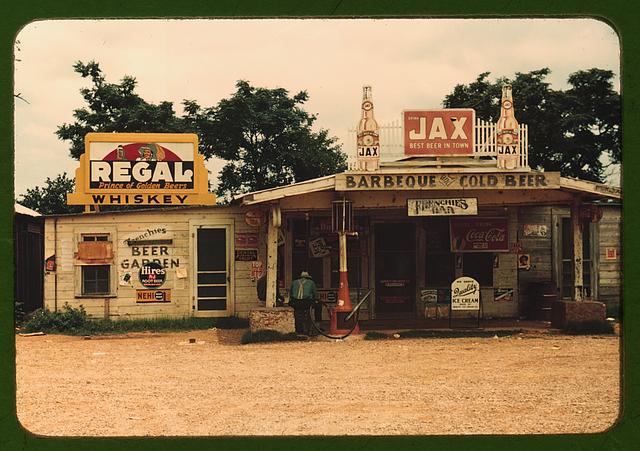
A cross roads store, bar, "juke joint," and gas station in the cotton plantation area, Melrose, La.1🛠 Camera Enhanced
A cross roads store, bar, "juke joint," and gas station in the cotton plantation area, Melrose, La.
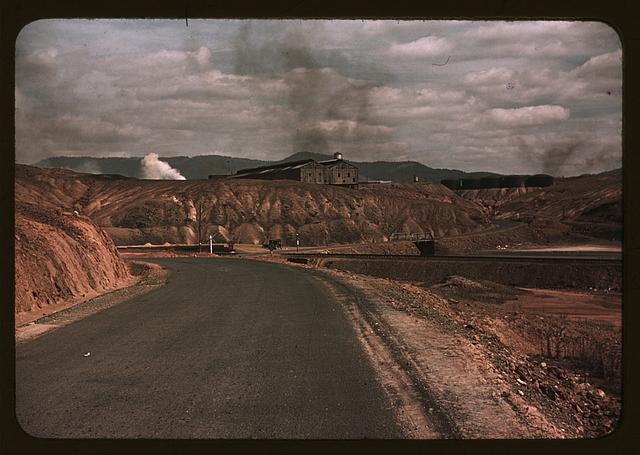
Copper mining and sulfuric acid plant, Copperhill], Tenn.2🛠 Camera Enhanced
Copper mining and sulfuric acid plant, Copperhill], Tenn.
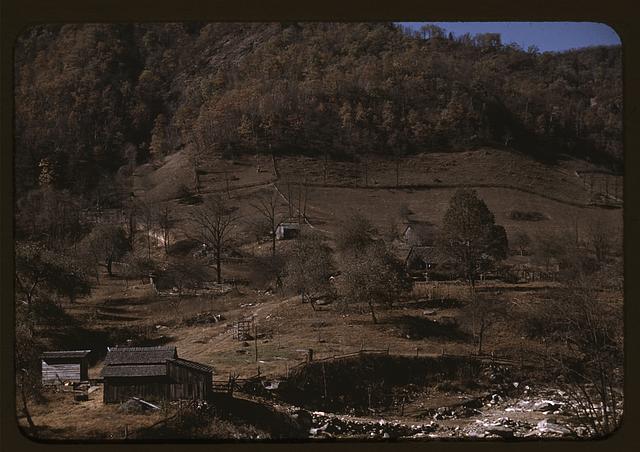
Southern U.S.3🛠 Camera Enhanced
Southern U.S.
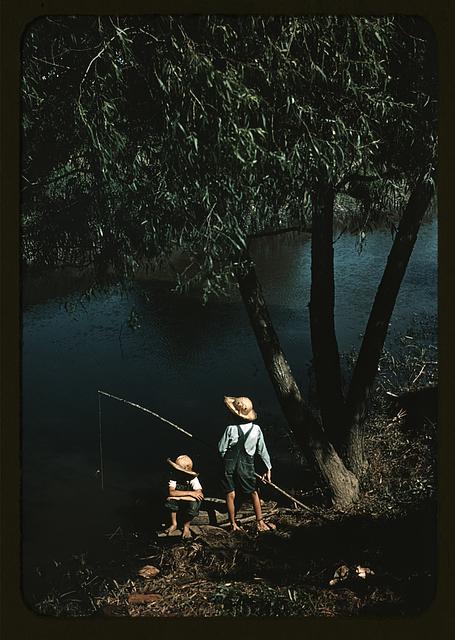
Boys fishing in a bayou, Schriever, La.4🛠 Camera Enhanced
Boys fishing in a bayou, Schriever, La.
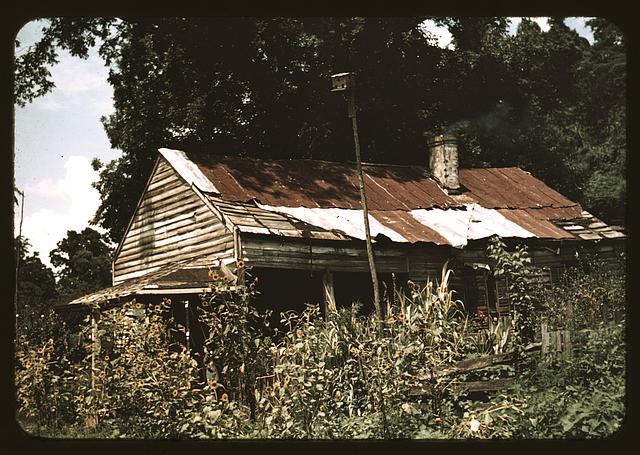
An old house almost hidden by sunflowers, Rodney, Miss.5🛠 Camera Enhanced
An old house almost hidden by sunflowers, Rodney, Miss.
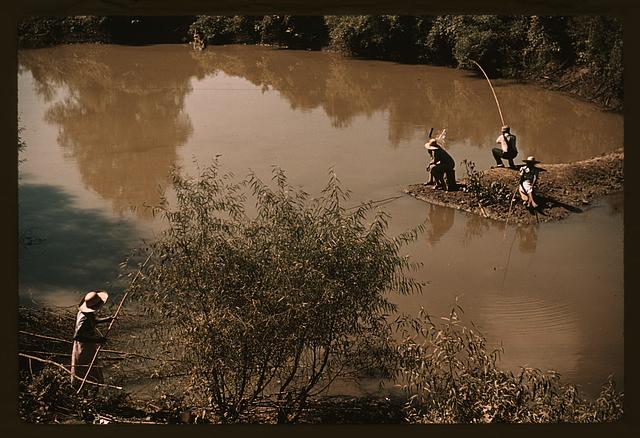
Negroes fishing in creek near cotton plantations outside Belzoni, Miss.6🛠 Camera Enhanced
Negroes fishing in creek near cotton plantations outside Belzoni, Miss.
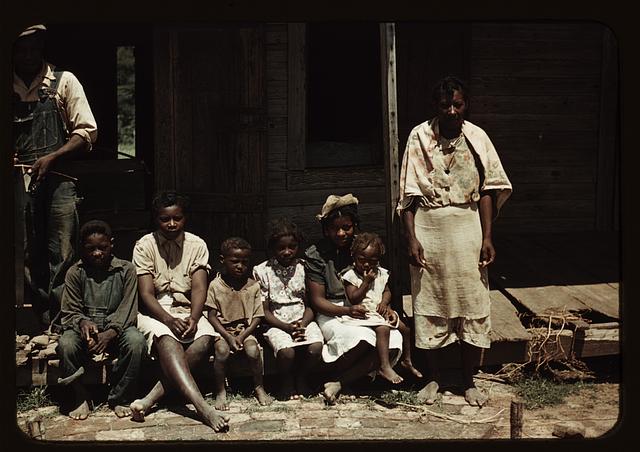
Bayou Bourbeau plantation, a FSA cooperative, Natchitoches, La. A Negro family (?) seated on the porch of a house7🛠 Camera Enhanced
Bayou Bourbeau plantation, a FSA cooperative, Natchitoches, La. A Negro family (?) seated on the porch of a house
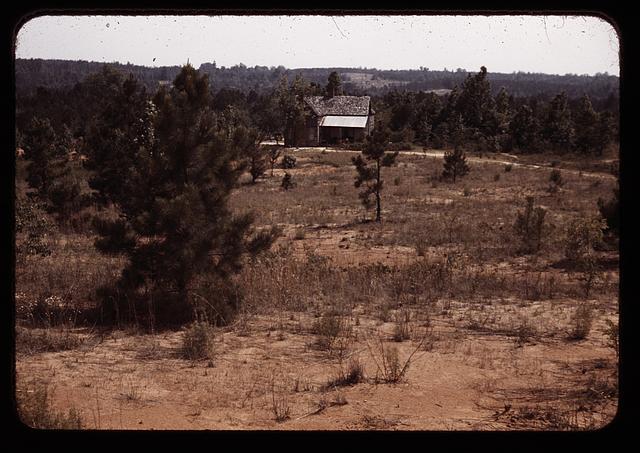
House in southern U.S.8🛠 Camera Enhanced
House in southern U.S.
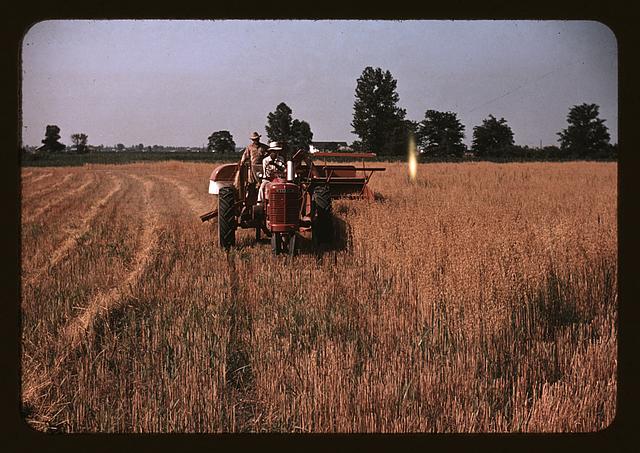
Harvesting oats, southeastern Georgia?9🛠 Camera Enhanced
Harvesting oats, southeastern Georgia?
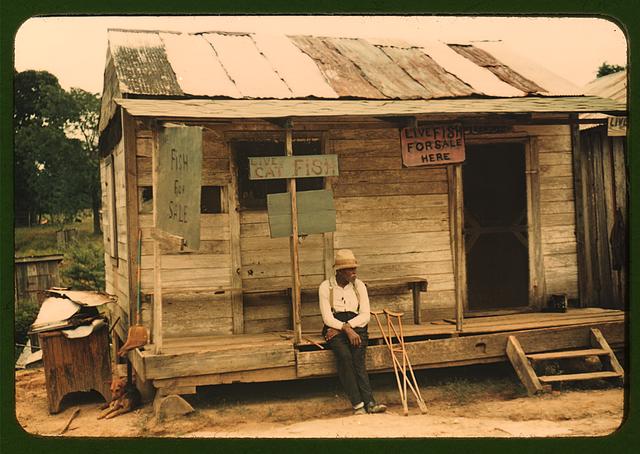
A store with live fish for sale, vicinity of Natchitoches, La.10🛠 Camera Enhanced
A store with live fish for sale, vicinity of Natchitoches, La.
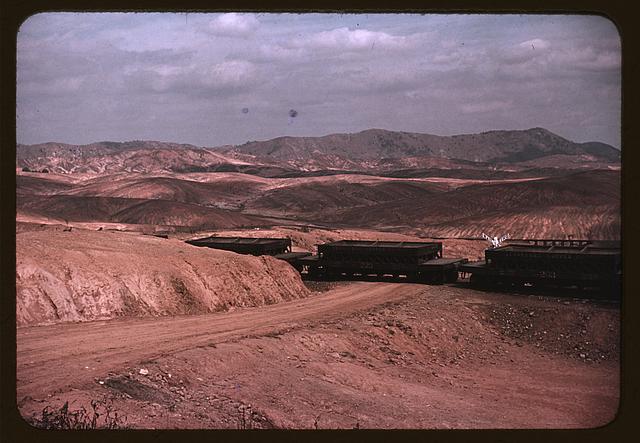
A train bringing copper ore out of the mine, Ducktown, Tenn. Fumes from smelting copper for sulfuric acid have destroyed11🛠 Camera Enhanced
A train bringing copper ore out of the mine, Ducktown, Tenn. Fumes from smelting copper for sulfuric acid have destroyed
Bayou Bourbeau plantation operated by Bayou Bourbeau Farmstead Association, a cooperative established through the cooper12🛠 Camera Enhanced
Bayou Bourbeau plantation operated by Bayou Bourbeau Farmstead Association, a cooperative established through the cooper
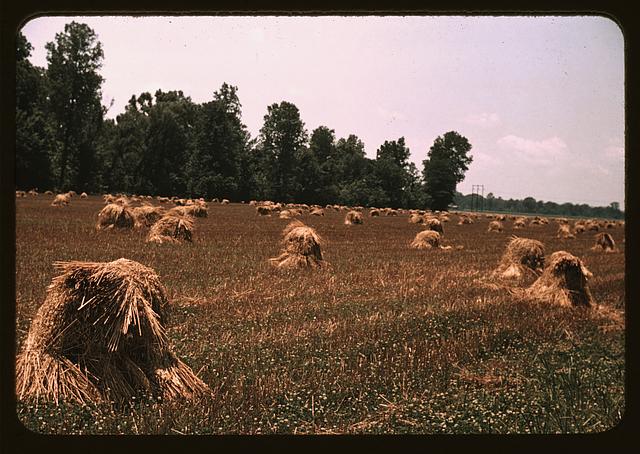
Typical southeastern Georgia farm with newly harvested field of oats13🛠 Camera Enhanced
Typical southeastern Georgia farm with newly harvested field of oats
Copper mining and sulfuric acid plant, Copperhill], Tenn.14🛠 Camera Enhanced
Copper mining and sulfuric acid plant, Copperhill], Tenn.
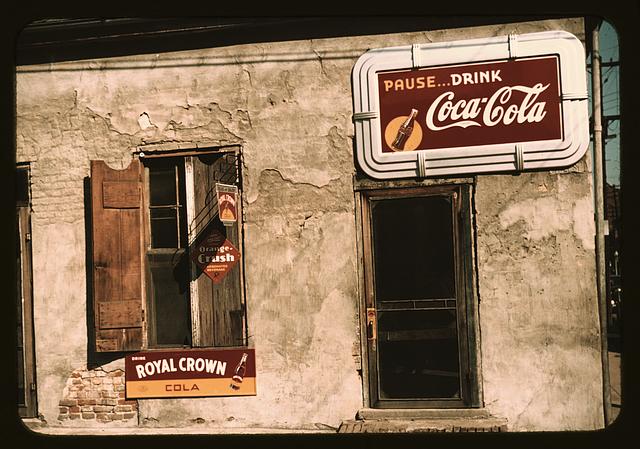
Natchez, Miss.15🛠 Camera Enhanced
Natchez, Miss.
Abandoned shacks, vicinity of Beaufort, S.C.16🛠 Camera Enhanced
Abandoned shacks, vicinity of Beaufort, S.C.
Negro tenant's home beside the Mississippi River levee, near Lake Providence, La.17🛠 Camera Enhanced
Negro tenant's home beside the Mississippi River levee, near Lake Providence, La.
A train bringing copper ore out of the mine, Ducktown, Tenn. Fumes from smelting copper for sulfuric acid have destroyed18🛠 Camera Enhanced
A train bringing copper ore out of the mine, Ducktown, Tenn. Fumes from smelting copper for sulfuric acid have destroyed
Copper mining section between Ducktown and Copperhill], Tennessee. Fumes from smelting copper for sulfuric acid have des19🛠 Camera Enhanced
Copper mining section between Ducktown and Copperhill], Tennessee. Fumes from smelting copper for sulfuric acid have des
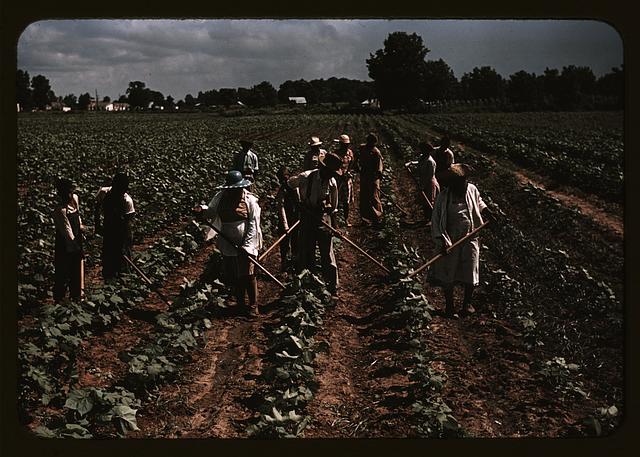
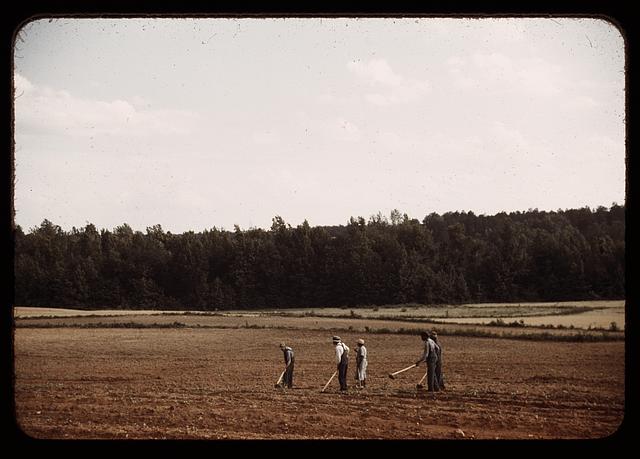
Chopping cotton, Greene County, Ga.?20🛠 Camera Enhanced
Chopping cotton, Greene County, Ga.?

The Panel

The 5 Curators who read your work.

Vault

Vault lives after sunset. Vault rewards long exposure, astrophotography, light trails, and any frame where darkness is an active compositional element — images that use night as a tool, unmoved by flash-flat scenes that fight against it.

Pyre

Pyre is drawn to drama: storm clouds, motion blur, athletic peaks, fire, weather. Pyre rewards high-contrast, kinetic energy — images that lean into intensity rather than away from it — and is unmoved by quiet competence.

Marrow

Marrow values the considered portrait — deliberately-lit subjects, sustained eye contact, the patient compression of a single person's character into one frame. Marrow rewards images where the photographer's intent toward the sitter is unmistakable, and is unmoved by snapshots or candid grabs.

Lumen

Lumen values minimalism, monochrome, and negative space — quiet, geometric compositions where empty regions of the frame carry as much weight as the subject. Lumen rewards single-subject portraits, architectural lines, and scenes where the photographer chose to remove rather than add.

Crux

Crux is drawn to the body at the edge of its capability. Crux rewards athletic technique — fingertips at full stretch, the moment of release, the exact instant of impact — and photographs that capture peak motion without sacrificing composition. Unmoved by static team shots or generic sideline coverage.

Synthesis

Cross-Curator read of where the panel agreed and diverged.

What this body of work consistently delivers is a saturated, mid-century color survey of the American South that knows how to let surfaces speak — hand-painted signage flattened into cubist façades, sulfuric-scorched copper country rendered with road and rail as vectors across dead ground, and a Kodachrome palette handled with enough restraint that it never tips into postcard. The Copperhill and Ducktown frames are read across the board as the spine: apocalyptic, morally weighted, and structurally functioning as a refrain. The opening juke joint, the Natchez Coca-Cola wall with its figure in the doorway, and the tenant home under stacked cumulus near Lake Providence are repeatedly named as the strongest single images — each one trusting a different register (graphic, restrained portrait, elegiac landscape) to carry the frame. Divergence is real and worth naming. The Bayou Bourbeau porch group is read as compositionally frieze-like by some eyes and as awkwardly middle-distanced by others; the closing cotton-chopping frame is praised for placing labor inside landscape at proper scale and faulted for ending on anonymity when a held gaze or a smokestack would land harder. The harvest and field-labor frames split similarly — disciplined to some, inert to others. The most actionable thread running underneath all of this is a call to tighten and commit: cut to twelve or fourteen frames, cluster the industrial refrain rather than interleaving it, and on the human frames either step closer to the gesture or pull back into landscape — the current middle distance is the safest choice in a sequence otherwise willing to look hard.

Curator reads

Vault
Vision7.7/10
Craft7.7/10
Cohesion7.2/10
Resonance7.7/10
This is a daylight body of work — and I have to say up front that's a difficult sell to my eye, because I judge by what the night gives a photographer and there's no night here. Not a single long exposure, no low sun even, no atmosphere of dusk. Every frame is rendered in that high-noon Kodachrome saturation that turns the South into something closer to a stage set than a place where shadows can do work. So I'm reading you against my own grain, but the work has its own coherence and I want to name what it's doing. What you've assembled is a regional survey — Deep South in full color, alternating between the agrarian and the industrial wound. The juke joint in the opener with its stacked Regal Beer and Jax signage is one of the strongest frames you have: the façade is doing all the compositional work, frontal and graphic, almost a Walker Evans logic but in color. The Copperhill frames (2, 11, 14, 18, 19) are where your sequence gets teeth — those denuded sulfuric-acid landscapes are genuinely apocalyptic, and you keep returning to them like a refrain, which gives the edit a spine. The fourth frame, the boys fishing in the bayou with the dappled overhang, is the softest moment and you've placed it early as a breath before the harder material. The closing image of figures chopping cotton at distance, dwarfed by the tree line, lands with appropriate weight — labor as landscape. Where the sequence weakens for me: the porch portraits (frames 7 and 10, and arguably 15) are competent but they sit awkwardly next to the landscape work. They're a different register — they want to be portraits and they're being treated as documents. The figures aren't given enough frame to become individuals; they're typological. And the two Georgia oat-harvest frames (9 and 13) feel like they belong to a calmer, more pastoral edit — they soften the indictment that the copper frames are building. Guidance, peer to peer: I'd push you toward fewer frames and a tighter argument. Twenty images is a lot, and the Copperhill material is strong enough that I'd build the spine entirely from those and let the agrarian frames function as counterweight rather than parallel track. Right now the sequence oscillates instead of accumulating. Second — and this is my bias showing — I want to know what these places look like when the light drops. The juke joint at dusk with its signage lit, the smelter at night with its plume catching ambient sky, the levee shack under a moon. You're working in a tradition that has been rendered to death in flat midday color; the same subjects under different light would be yours in a way they currently aren't. Third, the porch frames need either more intimacy or more distance — pick. Either get close enough that the people become specific, or pull back far enough that they become figures in a landscape, but the middle distance you're working in flattens them. Finally, consider whether the captions are doing too much heavy lifting. Several frames depend on the place name to land; the strongest images (1, 11, 14) would survive without any caption at all. That's the bar.
Strengths
  • The Copperhill smelter sequence functions as a genuine refrain — returning to that scorched landscape gives the edit a spine and a moral argument.
  • The opening juke-joint façade is graphically confident; the stacked beer signage does the compositional work without needing a human subject.
  • The bayou-fishing frame uses dappled overhead light better than any other image here, creating the one genuinely atmospheric moment in the sequence.
  • The closing cotton-chopping frame places labor inside landscape at exactly the right scale — figures small, tree line dominant, weight earned.
  • The willingness to alternate agrarian and industrial subject matter sets up a real thesis about what the region is and what's being done to it.
What to try next
  • Cut the edit to twelve frames and let the Copperhill material carry the spine, with the agrarian work as counterweight rather than parallel track.
  • Revisit any of these subjects at dusk or after dark — the juke joint lit, the smelter plume against night sky — and see what the same locations become when midday saturation is off the table.
  • Decide whether the porch portraits want to be intimate or environmental and commit; the current middle distance turns people into types.
  • Test each frame without its caption and keep only the ones that survive — the strongest images here don't need the place name to land.
  • Consider a long-exposure pass on the industrial sites; smoke and steam reward shutter times that daylight won't give you.
VaultLensWideOpen Curator
AuthenticatedLensWideOpenMay 25, 2026 · 7:34 PM UTC
Pyre
Vision7.7/10
Craft8.1/10
Cohesion7.2/10
Resonance7.7/10
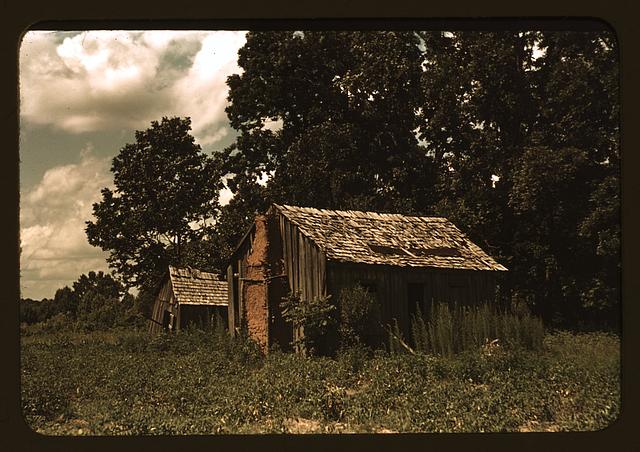
You've assembled a sequence saturated in mid-century Southern color — the Kodachrome palette doing its slow, almost embalmed work on plantation porches, denuded copper hills, oat fields, and Coca-Cola signs. Let me read what the sequence is doing before I push on it. The opening frame at Melrose, with its stacked signage — Regal, Jax, that hand-lettered storefront — sets a register: vernacular surface, frontal, declarative. You return to that register repeatedly (the tenth frame's live-fish store, the fifteenth's Natchez Coca-Cola wall with the figure leaning in the doorway), and those frontal storefronts become the spine of one thread. A second thread is the scorched copper country around Ducktown and Copperhill — the second, eleventh, fourteenth, eighteenth, and nineteenth frames — and this is where the sequence finally gives me what I want: weather, smokestacks bleeding into a bruised sky, slag-red earth cut by rail line and road, a landscape that has been done violence to and is photographed without flinching. The eleventh frame in particular, with the train threading the dead hills and the smoke plume on the horizon, is the strongest dramatic image you have. A third thread is pastoral — the fourth's boys fishing under the leaning tree, the sixth's anglers reflected in the muddy creek, the ninth and thirteenth's oat harvest, the seventeenth's tenant home under towering cumulus. The seventeenth is the most painterly frame here; those clouds are doing operatic work above a small dark dwelling. Where the sequence loses me is in the quiet middle. The third and eighth frames — distant houses in landscape — are observational notes rather than photographs that claim their ground. They sit on the page. The twelfth and twentieth, workers in cotton and a field, are documentarily honest but compositionally inert: figures scattered at middle distance, no gesture caught at its peak, no light pressed into service. For a body of work that can summon the apocalyptic palette of Copperhill, these feel like held breath. Now the push. Your strongest instinct is for landscapes under duress — the copper country frames have storm, scale, and moral weight all at once. Lean harder into that. If you're going to keep the pastoral and the vernacular-storefront threads alongside the industrial-ruin thread, sequence them so they collide rather than alternate politely; put the seventeenth's thunderhead next to the fourteenth's smokestack and let the viewer feel the same sky doing two different kinds of work. The porch portraits — the seventh especially, with the family arrayed across the steps — want a tighter edit; right now the framing is even and the gazes are scattered, and you're leaving the human drama on the table. Get closer, or wait for the moment when the group composes itself into something less posed. The storefront frontals (first, tenth, fifteenth) could become a real typology if you committed — same distance, same light condition, same hour — instead of three loose cousins. And the field-labor frames need either a peak gesture (a hoe at the top of its arc, a back bent against the horizon line) or a radical compositional rethink — low and into the rows, or high and abstract. Right now they're the safe frames in a sequence that is otherwise willing to look at ruined earth. Trust that willingness. The copper hills are your register; let the rest of the work rise to meet them.
Strengths
  • The Copperhill and Ducktown frames carry real apocalyptic weight — scorched earth, smokestack, and rail line composed with conviction rather than mere documentation.
  • The seventeenth frame's tenant home beneath piled cumulus is genuinely painterly, the kind of sky that earns its melodrama.
  • Your vernacular storefronts (first, tenth, fifteenth) have a flattened, sign-saturated frontality that reads as a deliberate visual strategy.
  • The Kodachrome palette is handled with restraint — the rust-reds, oat-golds, and bruised purples are allowed to do their own work without being pushed.
  • The sixth frame's reflection of anglers in muddy water shows you'll wait for a compositional gift when the landscape offers one.
What to try next
  • Sequence the industrial-ruin frames against the pastoral ones directly rather than alternating threads politely — let the smokestack and the thunderhead share a spread.
  • Commit fully to the storefront frontals as a typology: lock the distance, the hour, and the light, and shoot twenty of them so the three you have stop reading as cousins and start reading as a series.
  • Push closer on the porch and field-labor frames, or wait longer for the peak gesture — the seventh and twelfth are giving up their human drama to middle-distance evenness.
  • Cut the observational landscape notes (the third and eighth) unless you can find a version of them with weather, scale, or incident — they're the soft tissue in an otherwise muscular edit.
  • Try a low, into-the-rows angle on the field-labor work, or a high abstract one — the eye-level middle-distance framing is the least risky choice you're making.
PyreLensWideOpen Curator
AuthenticatedLensWideOpenMay 25, 2026 · 7:34 PM UTC
Marrow
Vision7.7/10
Craft8.1/10
Cohesion7.2/10
Resonance8.1/10
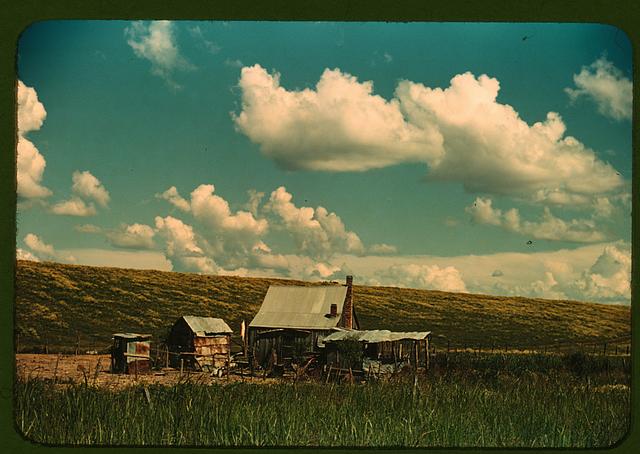
What you've assembled is a sequence saturated with place — the American South in color when color itself still felt like an editorial choice rather than a given. The dye palette across these frames does enormous work: the carmine of the Regal sign in the opening juke joint, the rust-and-bruise of the Copperhill tailings, the chrome yellow of sunflowers swallowing the Rodney house. You're trusting color to carry the weight a black-and-white frame would have to earn through tone, and across the run it pays off. What I want to talk about as a portraitist, though, is how you handle the human in this body of work — because that's where I read your real instincts, and where I have the most to push on. The seventh frame, the Bayou Bourbeau porch group, is the closest you get to a held portrait, and it's also the most ambivalent image in the set. Six people, a dog, a doorway, midday light — and yet no one sitter is granted the frame. The standing woman on the right is the compositional anchor, but your distance keeps her a figure rather than a person. I find myself wanting you to have stepped closer, or to have made a second exposure that committed to her. The tenth frame, the man on the store porch, is more successful precisely because the architecture funnels attention to him and the light on his face is patient — you let him sit, and he sits. That's the relationship I want more of from you. The fifteenth frame, the woman framed in the Coca-Cola window in Natchez, is the most quietly radical portrait here. She's almost incidental — a small bright shape inside a much louder graphic field — and yet the picture is unmistakably about her looking out. You've trusted the viewer to find her. That's a confident move, and it's the kind of portraiture I respond to most: the sitter holding her ground inside a world that's trying to out-shout her. The landscapes and industrial frames — Copperhill, Ducktown, the scorched cuts between them — function as the chorus around these human moments. Frames two, eleven, fourteen, eighteen, and nineteen risk redundancy; four variations on the same scarred ground is one or two too many, and the sequence loses its breath there. I'd cut at least two and let the remaining ones hit harder. Where to push: the work wants more sustained encounters with individuals. The fishing frames (four and six) are observational — beautifully so in the case of the bayou, with the willow-draped light — but they keep people as silhouettes inside landscape. If this body of work is partly about who lives in this scarred and fertile geography, then the portraits need to do more of the load-bearing. Consider sequencing toward the human rather than away from it: right now the closing frame, the distant cotton-choppers in Greene County, pulls back to anonymity. Ending instead on the Natchez window, or on a portrait you haven't made yet, would let the viewer leave with a face rather than a field. I'd also encourage you to interrogate the captions you're inheriting or assigning. The parenthetical "(?)" in the Bayou Bourbeau frame is telling — it suggests a relationship to the sitters that wasn't fully formed at the moment of exposure. The strongest portrait work knows who it's photographing. That knowledge changes what the camera does in the half-second before the shutter.
Strengths
  • Color is doing real editorial work across the run — the Regal red, the sulfuric ochres, the sunflower yellow each define their frame's emotional temperature.
  • The tenth frame (man on the store porch) is a quietly held portrait where architecture, light, and patient framing all conspire on the sitter's behalf.
  • The Natchez window frame trusts the viewer to find the woman inside a loud graphic field — a confident, restrained portrait move.
  • The industrial landscapes around Copperhill carry genuine ecological weight; the scorched earth reads as both document and indictment.
  • The bayou fishing frame uses willow-filtered light beautifully to nest its figures inside place.
What to try next
  • Commit to at least one sustained, close portrait per location — step into the porch at Bayou Bourbeau rather than photographing the group from the yard.
  • Cut two of the four Copperhill/Ducktown industrial frames; the redundancy dilutes what any single one of them could do alone.
  • Reconsider the closing image — ending on anonymous distant figures undercuts the human thread; the Natchez window would close the sequence with a held gaze.
  • Build the relationship with sitters before the exposure so the resulting frame knows who it's photographing rather than cataloguing it.
  • Try a tighter edit (12–14 frames) where every human image is a deliberate portrait and the landscapes function as breathing room between them, not as the main event.
MarrowLensWideOpen Curator
AuthenticatedLensWideOpenMay 25, 2026 · 7:34 PM UTC
Lumen
Vision7.2/10
Craft7.7/10
Cohesion6.4/10
Resonance7.2/10
What you're holding here is a wide survey of a particular American South — storefronts plastered with signage, porches occupied by tenant families, ravaged copper-smelting terrain, fields mid-harvest, and shacks half-swallowed by vegetation. The color is saturated in the way Kodachrome insists on saturation, and you've leaned into it: the Regal beer cans and orange brick of the first frame, the rusted reds and chemical greens of the Copperhill mining frames, the dense bottle-greens around the bayou fishing scenes. As a sequence it reads as a circuit — commerce, labor, dwelling, landscape, then back again — and you let the copper-mine frames (2, 11, 14, 18, 19) recur like a refrain, which gives the edit a pulse it would otherwise lack. My eye keeps returning to the quietest frames. The seventeenth image — the tenant's home under that enormous cloud-stacked sky near Lake Providence — is the one I'd build the whole sequence around. The horizon sits low, the structure is small and dark against pale field, and the sky does almost all the work. That's the picture in this set that understands restraint. The eighth frame, the distant house across scrubby pine, operates on the same logic: a small human mark inside a large indifferent landscape. The fifth, the sunflower-buried house, gets close to it too, though the foliage crowds the frame harder than I'd like. These are the frames where you're letting space speak. Where the sequence works against itself is in its appetite for incident. The first storefront, the fifteenth Coca-Cola facade, the tenth fish-store porch — they are information-dense, sign-saturated, every square inch of the frame doing something. Individually they're document; sequenced together they flatten into busyness. The cotton-chopping and oat-harvesting frames (9, 12, 13, 20) suffer a related problem: figures scattered at mid-distance across an even field, with no single gesture for the eye to land on. They read as record rather than image. If I were editing this down, I'd cut hard. Hold the copper-mine frames to two — 11 and 19 are the strongest, because the road carves the composition and gives the scorched land scale. Drop 2 and 14, which are frontal and cluttered with industrial debris. Keep 17, 8, 5, 16 as your quiet spine. Of the porch portraits, 7 is the one that holds — the figures are arranged almost frieze-like under the dark of the porch roof — and I'd let it carry that register alone rather than pairing it with 10. The harvest frames I'd reduce to 13, where the stooked oats give the field a rhythm the others lack. The other direction worth considering: you are mixing two distinct projects. One is a landscape-of-aftermath project (the copper frames, the abandoned shacks, the sunflower house). The other is a populated-vernacular project (storefronts, porches, fieldwork). Both are strong, but braided together they dilute each other. Pulled apart, you'd have two tighter bodies — one elegiac and spare, one densely social — and the elegiac one is, to my eye, where your strongest instincts already live. Trust the empty sky in frame 17. That's the picture telling you what the work wants to be.
Strengths
  • Frame 17's low horizon and towering cloud bank is the cleanest distillation of dwelling-against-landscape in the set.
  • The recurring copper-mine frames function as a structural refrain, giving the sequence a pulse beyond simple geographic survey.
  • Frame 8 trusts negative space — a small structure inside a large field of scrub — and lets scale do the emotional work.
  • Color is handled with confidence; the rust-and-ash palette of the Copperhill frames reads as deliberate, not accidental.
  • Frame 7's porch group is composed almost as a frieze, with the dark roof line giving the figures architectural weight.
What to try next
  • Cut the sequence by a third — the storefronts and the harvest fields are doing similar work twice, and the edit would tighten dramatically.
  • Consider splitting this into two distinct bodies: an aftermath-landscape edit and a populated-vernacular edit, rather than braiding them.
  • Hold the copper-mine refrain to two frames (11 and 19) so the motif lands instead of repeats.
  • When you encounter a sign-dense facade like frames 1 and 15, try a second exposure that strips information out — step back, let architecture sit inside its surroundings.
  • Build future edits outward from your quietest frame; here that's 17, and the sequence should be calibrated to its register, not against it.
LumenLensWideOpen Curator
AuthenticatedLensWideOpenMay 25, 2026 · 7:34 PM UTC
Crux
Vision8.5/10
Craft8.5/10
Cohesion7.7/10
Resonance8.9/10
This is a body of work that asks to be read slowly, in color that feels both saturated and sun-bleached at once — the Kodachrome register of the early 1940s South. You're working three threads in parallel: the vernacular storefront (frames 1, 10, 15), the agrarian field (9, 12, 13, 20), and the ravaged industrial landscape of Copperhill/Ducktown (2, 11, 14, 18, 19). The domestic and the leisure register — boys with cane poles in the fourth and sixth frames, the porch tableau in the seventh, the sunflower-swallowed house in the fifth — knits those threads together with breath. The sequencing moves you in and out of human scale deliberately: a tight storefront, then a wide stripped hillside, then a child at a creek. That oscillation is the spine of the piece. What your eye consistently finds is the moment a place reveals its economy. The first frame stacks signage — Regal, Dr Pepper, the gas pumps — into an almost cubist façade; you've let the hand-painted commerce do the composing for you, which is the right call. The fifteenth frame does the same trick more brutally: a Coca-Cola wall, a single figure framed in a doorway, the whole American transaction compressed into one plane. In the Copperhill frames you're photographing absence — vegetation killed by sulfuric fumes — and you're smart enough to put the road or the rail line in as a vector, so the eye has somewhere to go across the dead ground. The eleventh and nineteenth frames in particular use that ribbon of road like a wound. Where I'd push you: peak action isn't really your subject, but when you photograph labor (the twelfth and twentieth frames, chopping cotton; the ninth, harvesting oats) you tend to stand back at a respectful documentary distance and the bodies become small marks in a field. That distance is a choice, and I understand it — it preserves the landscape as protagonist — but the work would gain a second gear if even one or two frames closed in on the gesture: the exact arc of a hoe, the weight-shift of someone lifting a sheaf. Right now your fields are beautifully composed but the human effort inside them reads as staffage rather than as the engine of the place. The thirteenth frame, with its stacked shocks of oats, almost gets there because the labor is legible in the objects left behind — but I want the verb, not just the noun. The porch portrait in the seventh frame is the one I'd interrogate hardest. Compared to the candor of the boys fishing or the figure in the Natchez doorway, it feels arranged in a way the rest of the sequence resists, and the question mark in your own caption suggests you felt it too. Consider whether it belongs, or whether a less composed frame from the same encounter would carry more. Finally, the Copperhill material is strong enough that I'd argue for letting it cluster rather than dispersing it across the sequence. Right now frames 2, 11, 14, 18, 19 are interleaved; run three of them in a row and the ecological violence accumulates instead of resetting each time. The closing frame — workers as small figures against the tree line — is a quiet ending, but a Copperhill smokestack as the last image would land harder.
Strengths
  • You let hand-painted signage do the compositional work in the storefront frames, turning commerce into a flat graphic plane (first and fifteenth frames especially).
  • The Copperhill industrial frames use road and rail as vectors across dead ground, giving the eye traction on landscapes that would otherwise just be absence.
  • Color is handled with restraint — the Kodachrome saturation never tips into postcard; the muted greens and ochres of the sixteenth frame and the cloud-stacked sky of the seventeenth show real discipline.
  • The oscillation between tight vernacular architecture and wide stripped landscape gives the sequence a breathing rhythm rather than a single note.
  • You trust quiet subjects — sunflowers swallowing a house, two boys with cane poles — to carry as much weight as the industrial spectacle.
What to try next
  • Move in on at least one labor frame so the gesture of the work — the arc of a hoe, the lift of a sheaf — becomes legible as motion, not just as figures in a field.
  • Cluster the Copperhill frames consecutively so the ecological devastation accumulates instead of resetting each time the sequence cuts away.
  • Reconsider the seventh frame's porch tableau against the more candid encounters elsewhere; a less arranged frame from that same visit would sit more honestly in the edit.
  • Try closing on a Copperhill smokestack rather than a pastoral field — the sequence's hardest material deserves the last word.
  • Push one or two frames toward a single human at working scale, close enough that we read individual effort rather than landscape-with-figures.
CruxLensWideOpen Curator
AuthenticatedLensWideOpenMay 25, 2026 · 7:34 PM UTC