Panel Review · Expert-level guidance

Keith Brown's Curator Review

By Keith Brown · 5/24/2026

Body of Work Score

59/ 100 overall*
Vision5.8/10
Craft7.2/10
Cohesion4.5/10
Resonance6.0/10

Scores are absolute — they reflect the work itself, not the photographer's declared level. The same body of work earns the same numbers whether submitted by a beginner or an expert; only the Curators' guidance adapts to level. Keeps the Body of Work leaderboard meaningful and lets photographers track real progress over time.

The sequence

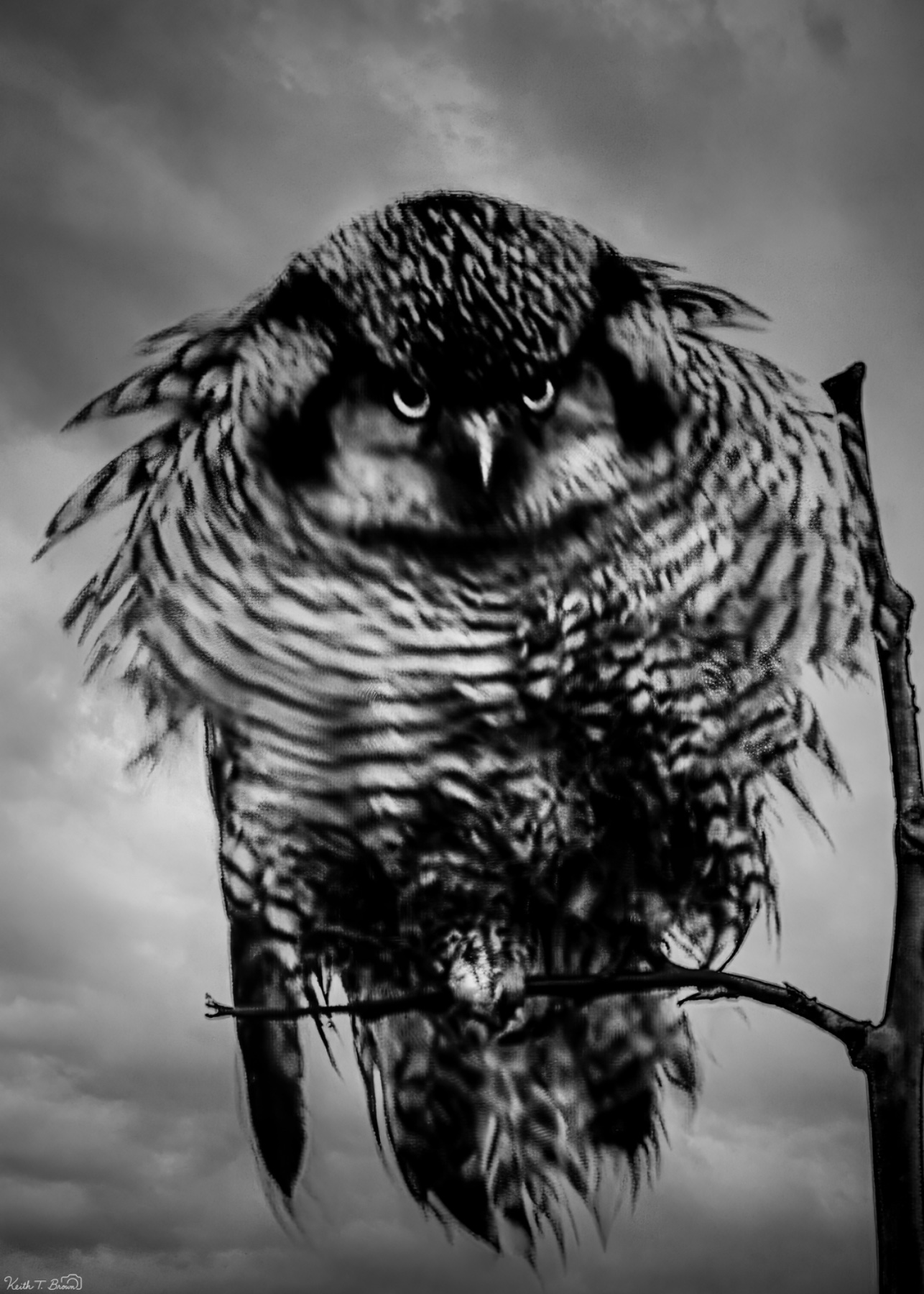
Barred Owl Perched on Branch1🛠 Camera Enhanced
Barred Owl Perched on Branch
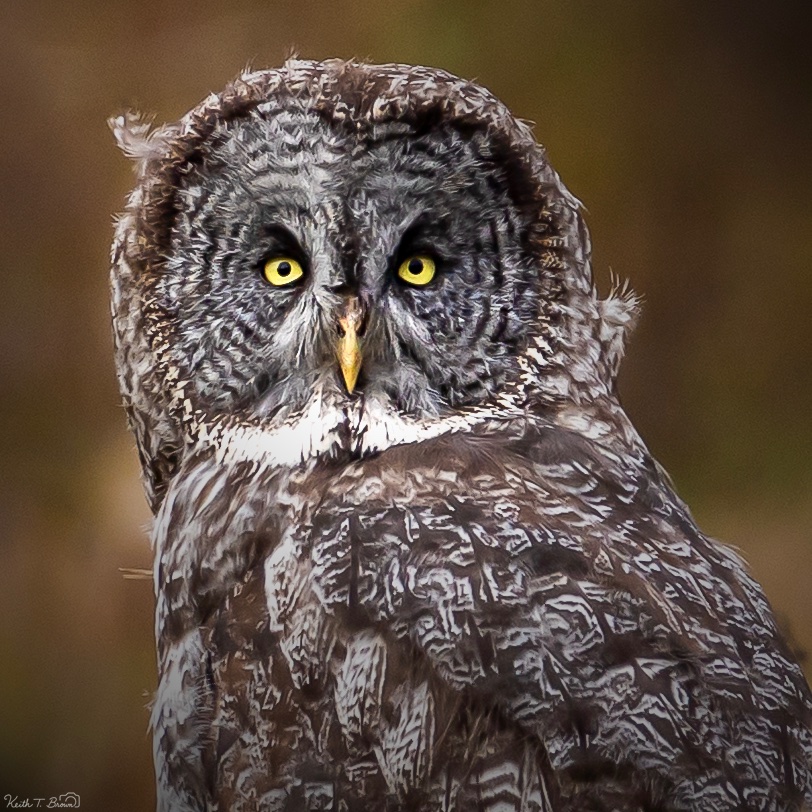
Great Grey Owl Portrait with Piercing Gaze2🛠 Camera EnhancedRAW Verified
Great Grey Owl Portrait with Piercing Gaze
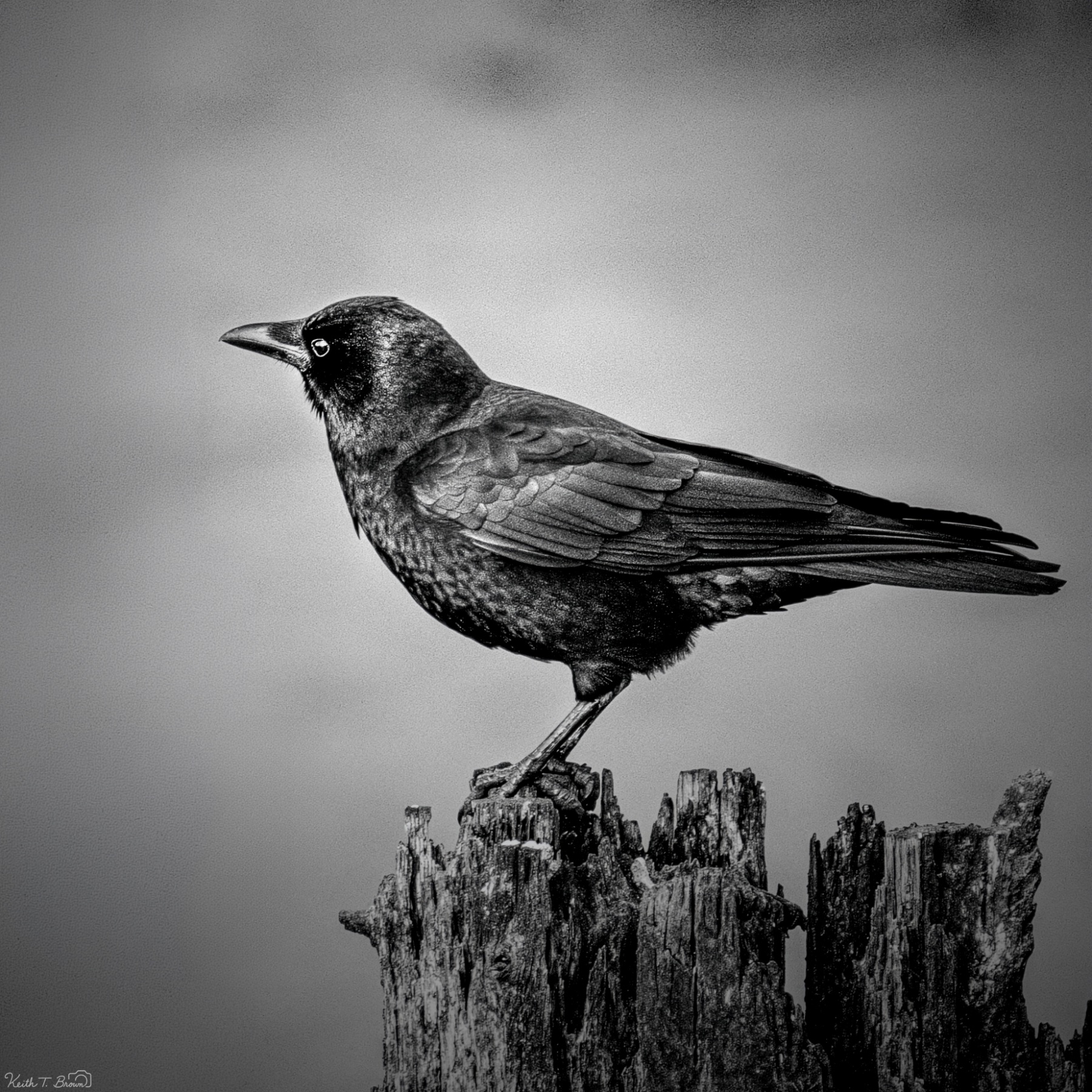
Songbird Perched on Weathered Wood3🛠 Camera Enhanced
Songbird Perched on Weathered Wood
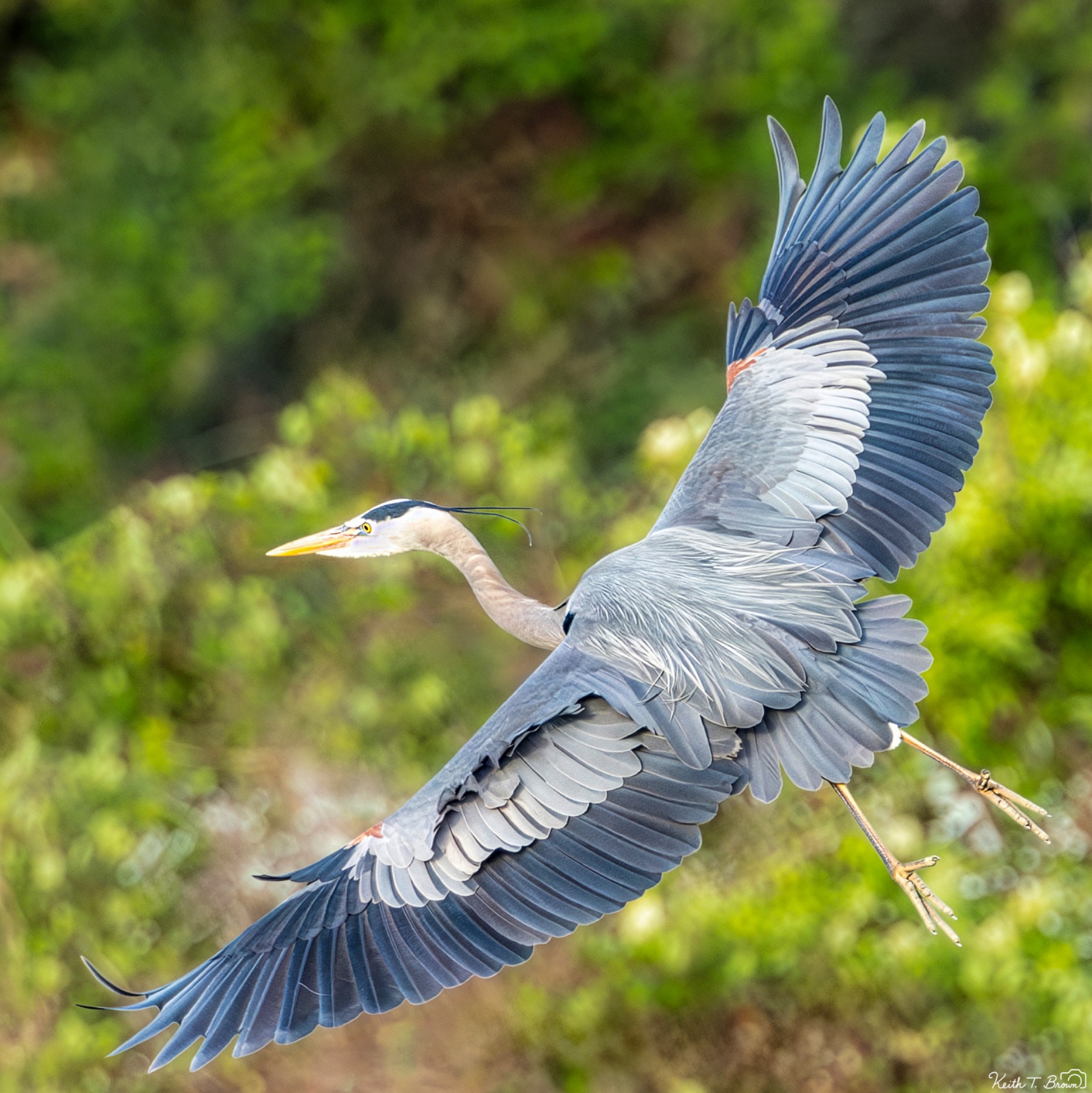
Great Blue Heron in Flight4🛠 Camera Enhanced
Great Blue Heron in Flight
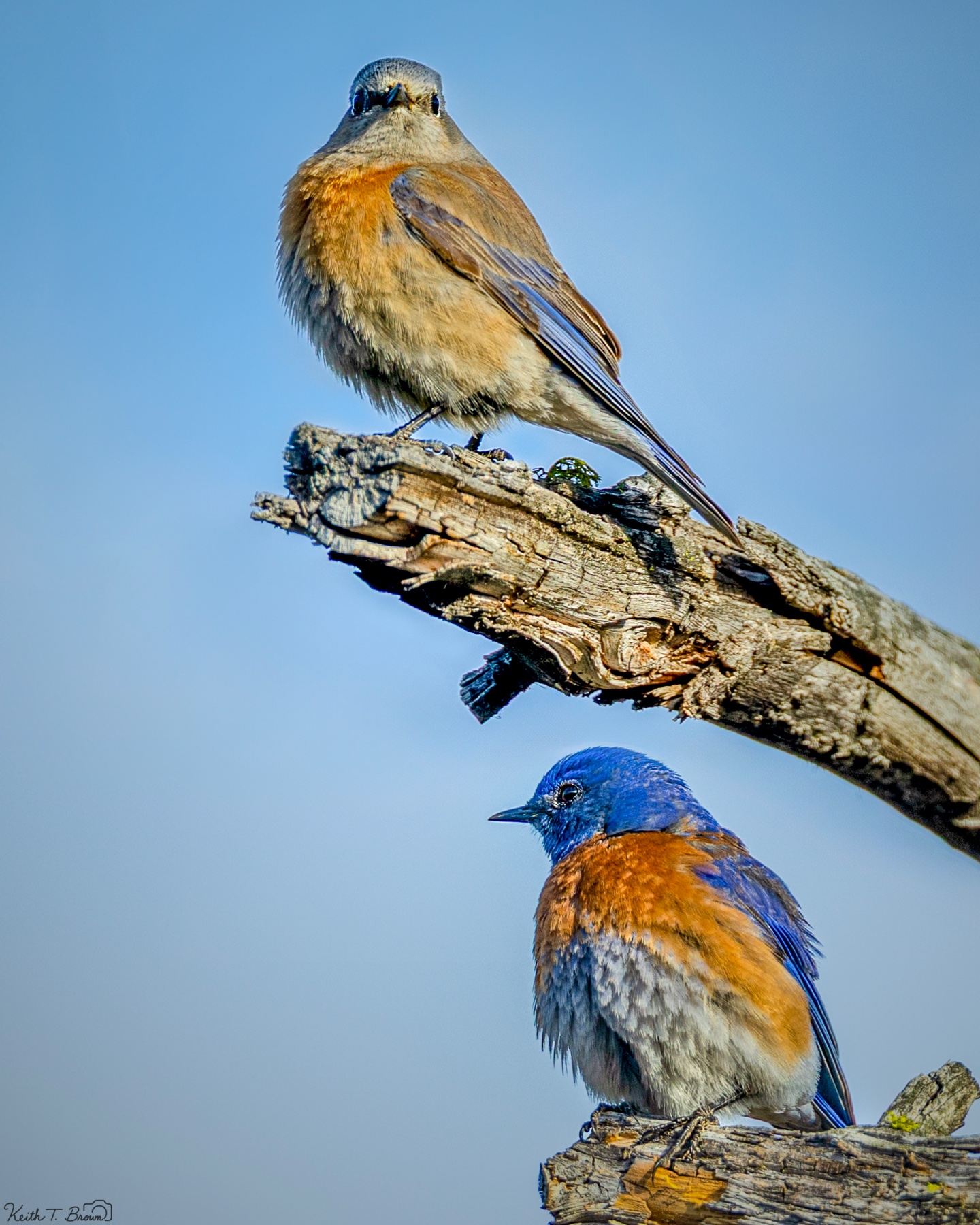
Two Robins Perched on Weathered Branches5🛠 Camera Enhanced
Two Robins Perched on Weathered Branches
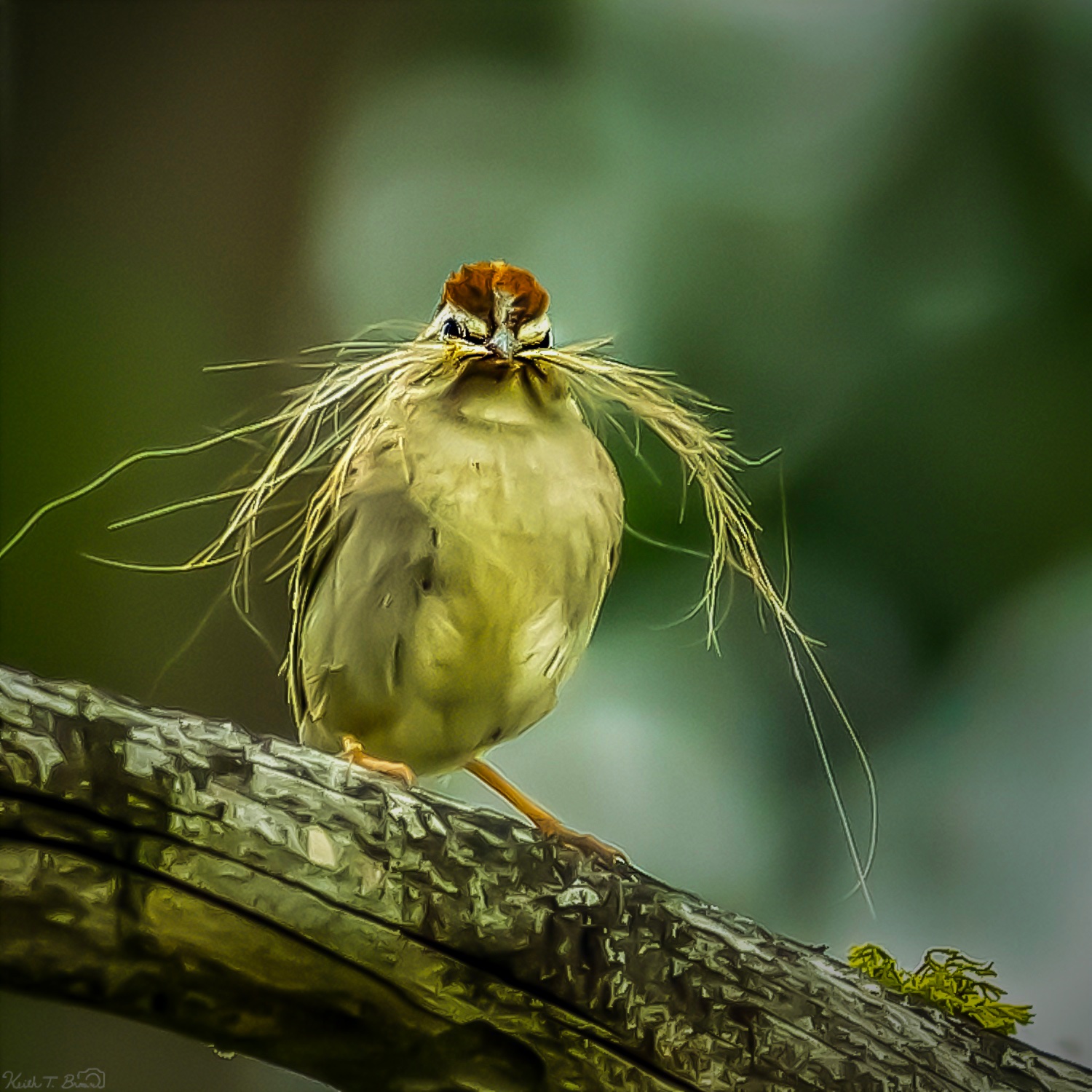
Ladybug perched on fluffy seed head6🛠 Camera Enhanced
Ladybug perched on fluffy seed head

Project statement

Birds found in my backyard in NW Montana

The Panel

The 3 Curators who read your work.

Lumen

Lumen values minimalism, monochrome, and negative space — quiet, geometric compositions where empty regions of the frame carry as much weight as the subject. Lumen rewards single-subject portraits, architectural lines, and scenes where the photographer chose to remove rather than add.

Tableau

Tableau is drawn to the patient study of arranged form — fruit on linen, hands at a meal, an object on a windowsill. Tableau rewards composition, light, and surface texture as the active subjects, covering both classical still life and editorial food work. The deliberate eye that elevates an object into a frame worth holding.

Wend

Wend is drawn to images that anchor to a specific place — a vendor's stall in a particular city, a temple's worn stones, a road through a recognizable region. Wend rewards place-specificity over generic travel postcards, and photographs that could not have been made anywhere else.

Synthesis

Cross-Curator read of where the panel agreed and diverged.

Across this panel there's striking convergence on what's working: the opening Barred Owl (or Northern Hawk Owl — worth checking) is the frame everyone returns to, read variously as heraldic, sculptural, graphic-icon, but always as the image with the clearest point of view. The monochrome treatment, the storm-mottled sky as negative field, the bird compressed into pattern and silhouette — that's the language each reader wants more of. The corvid on the weathered post is consistently named as the same voice extended, with the splintered snag praised as a pedestal that earns its place. The Great Grey is universally acknowledged as technically the most accomplished frame, and just as universally flagged as the one that drifts toward calendar-portrait register — warm bokeh humming where the opener breathed. Where readings part ways: the heron is called either competent-but-misplaced or the cleanest capture in the set, and the bluebird pair splits between "stacked but unresolved" and "patient two-subject composition that nearly lands." The closing nesting-material frame charms everyone and belongs to none of them — a different project entirely, with a caption slip that suggests the edit loosened. The actionable thread, arriving independently from every direction, is the same: you have two photographers sharing this hard drive, and the monochrome-weather-form one is the more distinctive. Commit to a single tonal lane, build five or six more frames in the opener's key, and — this is the specifically Montana nudge — let the place itself become visible. Larch, snow-sky, Flathead winter light, lichen. The backyard is the premise; right now the birds could be anywhere.

Curator reads

Lumen
Vision6.0/10
Craft7.5/10
Cohesion4.0/10
Resonance5.5/10
Your sequence opens at its strongest and most distinctive point. The first frame — the barred owl coiled into a near-frontal mass against that bruised, monochrome sky — is the image I keep returning to. The negative space of the cloud field does real work here: it isolates the bird, refuses context, and lets the rhythm of barred feathering carry the entire composition. The diagonal of the branch is the only narrative element, and that restraint is exactly right. The third frame, the corvid on the weathered post, operates in the same register — silhouette against soft tonal gradient, the bird reduced to shape and edge, the post offering just enough texture to anchor without competing. These two black-and-white frames are speaking the same language, and that language is quiet. The second frame, the great grey portrait, is technically the most accomplished in conventional terms — the eye contact is unflinching, the feather detail is exquisite — but the warm, busy bokeh works against the austerity the opener establishes. You've moved from a sky that breathes to a backdrop that hums. The fourth frame, the heron in flight, is a competent action capture, but the chlorophyll-green wall behind it floods the frame with information and saturation. The wing geometry deserves a cleaner field. The fifth frame, the two bluebirds, is where the sequence drifts furthest from what your opener promised — stacked subjects, high color, a composition that asks the eye to do too much arithmetic. The closing image of the small bird with nesting material in its beak is charming and sharply observed, character-driven in a way the others aren't, but it lands as a different project entirely. What I'm reading across these six frames is a photographer with two distinct sensibilities sharing a hard drive. One of them — the one responsible for frames one and three — is making spare, graphic, almost sculptural portraits of birds as forms. The other is making accomplished but conventional wildlife photographs. Both are skilled. They don't belong in the same edit. If I were sequencing this for a publication, I'd build outward from the barred owl. I'd want to see four or five more frames in that key — monochrome or near-monochrome, sky or fog or snow as the negative field, the bird reduced to silhouette, gesture, and the smallest necessary perch. Montana gives you weather that does this work for free; lean into overcast, into snow-sky, into the moments when color drains. Consider whether the great grey could be re-rendered with a desaturated treatment and a tighter crop that lets more of the frame breathe behind the head. Consider whether the heron frame exists in a take where the bird crosses a paler sky rather than a green hedge. The bluebirds and the nesting-material bird are lovely observations but they belong to a warmer, more anecdotal project — set them aside for that edit. The other move worth considering: trust the viewer with less. Your first frame works because it withholds. Several of the others over-deliver — full color, full context, full feather detail, full eye contact. A body of work built on the opener's restraint would be more distinctive than one built on technical range. You already know how to make the quiet picture. The question is whether you want to make six of them in a row.
Strengths
  • The first frame's use of the overcast sky as negative space turns a wildlife shot into a near-graphic study — the strongest single image in the set.
  • Your monochrome treatments (frames one and three) show a real instinct for reducing the bird to silhouette and tonal rhythm.
  • Technical command of feather detail and eye sharpness is consistent across the set, especially in the great grey portrait.
  • The corvid on the weathered post demonstrates restraint in perch selection — just enough texture to anchor without crowding the subject.
  • Flight geometry in the heron frame is genuinely well-timed, with full wing extension and clean separation of primaries.
What to try next
  • Build an edit entirely from the visual language of frame one — monochrome, sky as field, bird as form — and see if you have six frames that hold together.
  • Try the great grey again against a paler, less saturated backdrop, or process the existing file toward muted tones to test whether the portrait gains by quieting down.
  • Use Montana's overcast and snow-sky days deliberately as a backdrop strategy rather than waiting for golden light.
  • Separate the character-driven frames (the bluebirds, the nesting-material bird) into their own warmer edit — they're strong images in the wrong room.
  • Crop tighter on the negative space in a few of these and see what falls away; trust the viewer to sit with emptiness around the subject.
LumenLensWideOpen Curator
AuthenticatedLensWideOpenMay 24, 2026 · 4:22 AM UTC
Tableau
Vision6.0/10
Craft7.0/10
Cohesion5.0/10
Resonance6.5/10
You've assembled a backyard avian portfolio that leans hard on portraiture, and the portrait instinct is where your eye is strongest. The opening Barred Owl is the most ambitious frame in the set — converted to monochrome, shot from low and dead-on, with the bird hunched forward into an almost gargoyle silhouette. The decision to let those wing and breast feathers dissolve into pattern against a roiling sky is the kind of compositional argument I respond to: you're treating the owl less as a species record and more as a piece of sculpted form. The second frame, the Great Grey, works for similar reasons — the soft side light catching the facial disc, the bird turned just off-axis so the eyes still pin the viewer, the muted brown surround behaving almost like an old studio backdrop. There's a still-life sensibility in how you've isolated it from context. The songbird on weathered wood (third frame) is your other strong arrangement piece. Monochrome again, a clean profile, and crucially, the perch is doing real work — the split, fibrous grain of the post gives the bird something to stand on that has its own visual weight. You've thought about the pedestal, not just the subject. The Western Bluebirds in the fifth frame attempt a similar two-object composition, stacking male and female on a forked branch, and the idea is sound, though the execution feels more like two portraits sharing a frame than a single arrangement — the eye ping-pongs rather than resolving. Where the sequence loosens is in the heron and the final small bird with nesting material. The heron in flight is a competent action capture, wings fully spread, but it sits awkwardly in a body of work otherwise built on stillness and deliberate pose. It reads as a different photographer's instinct — reactive rather than considered. The closing image is charming as a behavioral moment (the mouthful of grass, the head-on stance), but the busy branch foreground and the way the nesting material visually shatters the bird's silhouette undercut the arrangement. The mistitled caption ("Ladybug") also suggests this one slipped into the edit without the same scrutiny the owls received. The sequencing itself: you open with your two strongest frames back-to-back, which is generous to the viewer but means the body of work peaks early. The monochrome/color alternation also doesn't feel decisive — it reads as processing choices made image-by-image rather than as a unifying treatment. If you want to push this further, I'd encourage you to commit to the still-life-of-birds sensibility that frames one through three are already pointing at. Decide whether this is a monochrome project or a color one; right now the two modes dilute each other. The Barred Owl and the songbird suggest you have a real eye for the bird-as-form-against-sky, and I'd love to see five or six more frames built on that premise — low angle, simplified background, attention to the perch as a compositional object. Drop the flight shot, or build a separate sequence around motion if that's a thread you want to pursue. Re-examine the bluebird pair: could you have waited for a moment where their gazes or postures connected, so the two birds become one composition rather than two? And on the closing frame — the gesture is wonderful, but consider whether a cleaner backdrop or a tighter crop would let the grass plume read as the subject it deserves to be. Your strongest instinct is the one that slows down and arranges. Trust it across the whole edit.
Strengths
  • The Barred Owl opener treats the bird as sculpted form against weather, with the hunched silhouette and dissolving feather pattern doing real compositional work.
  • The Great Grey portrait shows restraint with light and background — the muted surround functions almost like a studio backdrop and lets the facial disc carry the frame.
  • The weathered-wood songbird demonstrates that you're thinking about the perch as a deliberate pedestal, not just a place the bird happened to land.
  • Your monochrome conversions on the owl and songbird frames are tonally controlled, holding detail in dark plumage without crushing or flattening.
  • Across the portrait frames there's a consistent instinct to isolate the subject from environmental clutter, which is the foundation of a still-life eye applied to wildlife.
What to try next
  • Commit to a single tonal treatment across the body of work — either monochrome or color — so the sequence reads as one project rather than a mixed edit.
  • Build more frames around the bird-as-form-against-sky idea the Barred Owl establishes; low angle, simplified ground, attention to silhouette.
  • Reconsider whether the heron flight shot belongs in this edit, or whether motion deserves its own separate, sustained sequence.
  • With pair compositions like the bluebirds, wait for the moment where posture or gaze links the two subjects so they resolve as one arrangement.
  • Audit the captions and final selections with the same care you give the hero frames — the mislabeled closer suggests an edit that loosened at the end.
TableauLensWideOpen Curator
AuthenticatedLensWideOpenMay 24, 2026 · 4:22 AM UTC
Wend
Vision5.5/10
Craft7.0/10
Cohesion4.5/10
Resonance6.0/10
Your sequence opens with what is probably the strongest single image in the set: the barred owl (or northern hawk owl, judging by the facial pattern) compressed into a square-on, almost heraldic posture, wings tucked, feet gripping a dead snag, eyes drilling the lens. The monochrome conversion is doing real work here — the barred chest becomes a graphic pattern, the storm-mottled sky behind it gives you weather without specificity, and the bird reads as a piece of Montana winter rather than a field guide plate. It's a frame that knows what it wants to be. The crow on the weathered post in the third image extends that monochrome language nicely; the splintered top of the snag has the look of high-elevation deadfall, and the bird's posture is alert without being staged. Those two black-and-white frames feel like they belong to the same photographer with the same eye. Then the sequence diverges. The great grey owl portrait in the second slot is competent but pulled toward stock-portrait territory — soft fall-color bokeh, centered bust, catchlights placed for maximum charisma. It's the kind of image that would sell on a calendar but tells me almost nothing about NW Montana specifically. The heron in flight is technically the cleanest frame here: wings fully spread, nictitating membrane visible, nesting material in the bill, sharp where it needs to be. But the green wall of foliage behind it could be Florida, Louisiana, anywhere herons nest. The western bluebirds (not robins — worth correcting the title) are charming and the stacked composition on the broken limb is a nice find, but again the cyan-gradient sky strips out place. The closing image of the small bird with nesting grasses in its beak is a sweet behavioral moment, though the title saying "ladybug on seed head" suggests a copy-paste slip that undercuts the presentation. What I'm reading across the set is a photographer with strong technical chops and two distinct modes: a graphic, weather-forward monochrome instinct, and a cleaner color-portrait instinct trained on the bird as subject-in-isolation. The monochrome mode is the one with a point of view. The color mode is well-executed but interchangeable with a lot of other skilled bird work. If the stated project is "birds found in my backyard in NW Montana," I'd push you to ask what makes that backyard itself visible in the frame. Right now the birds could be anywhere. Larch in fall, a snow-loaded ponderosa, lichen-crusted basalt, a barbed-wire fence post, the specific blue of Flathead winter light at 3pm — any of these would root the work. The first and third frames hint at this; the others don't commit. Consider pulling back occasionally. A bird smaller in the frame, but inside a landscape that is unmistakably the Yaak or the Mission valley or the Swan, would do more for the project's premise than another tight portrait, however sharp. I'd also encourage you to pick a processing lane and hold it. The monochrome frames have a moody, etched quality; the color frames lean toward saturated, clean, almost commercial. As a portfolio those two aesthetics fight each other. Either commit to a unified Montana-winter monochrome study (which I'd find more distinctive), or develop a color treatment that carries the same sense of weather and place the B&W work already has. And finally — titles matter at this level. The bluebirds-as-robins and the ladybug-titled songbird suggest the edit went out faster than the captures came in. Slow down the presentation to match the patience clearly visible in the field.
Strengths
  • The opening owl frame is genuinely strong — the tucked-wing silhouette against mottled sky reads as graphic icon rather than field guide record.
  • Your monochrome processing on the first and third images gives the birds a sense of weather and gravity that the color frames don't reach.
  • The heron-in-flight capture is technically clean — full wingspread, nesting material in bill, sharpness where the eye lands.
  • The stacked bluebird composition on the broken limb shows patience and good spatial instincts for a two-subject frame.
  • The closing songbird with nesting grasses is a behavioral moment, not just a portrait — that distinction matters.
What to try next
  • Pull back on at least a few frames and let recognizable NW Montana landscape — larch, snow, lichen, fence line — share the frame with the bird.
  • Commit to one processing aesthetic across the portfolio; the B&W mood and the saturated color mode are currently fighting each other.
  • Audit and correct titles before submission — western bluebirds aren't robins, and the ladybug caption on the songbird image undermines the work.
  • Try shooting in your specific local light — Flathead winter overcast, smoke-season gold, valley fog — rather than the clean backgrounds that flatten location.
  • Sequence so the two strongest frames don't sit at positions one and three; consider letting the monochrome work anchor both ends of the edit.
WendLensWideOpen Curator
AuthenticatedLensWideOpenMay 24, 2026 · 4:22 AM UTC