Sample review. This body of work is sourced from public-domain photography (Library of Congress FSA/OWI + Smithsonian Open Access) and reviewed by LensWideOpen Curators as a reference example of how the engine reads a curated sequence. Not a user submission.
Full Project · Expert-level guidance

FSA Documentary in Black & White

By LensWideOpen Reference Collection · 5/25/2026

Body of Work Score

76/ 100 overall*Panel's read: Expert
Vision7.8/10
Craft7.9/10
Cohesion6.9/10
Resonance7.6/10

Scores are absolute — they reflect the work itself, not the photographer's declared level. The same body of work earns the same numbers whether submitted by a beginner or an expert; only the Curators' guidance adapts to level. Keeps the Body of Work leaderboard meaningful and lets photographers track real progress over time.

The sequence

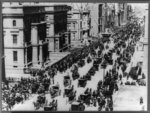
Fifth Ave., New York, Easter Sunday, 19001🛠 Camera Enhanced
Fifth Ave., New York, Easter Sunday, 1900
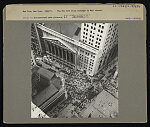
New York, New York. 1929(?). The New York Stock Exchange on Wall Street2🛠 Camera Enhanced
New York, New York. 1929(?). The New York Stock Exchange on Wall Street
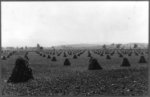
Harvest time in Middletown Valley, Frederick (vicinity)(?), Md.3🛠 Camera Enhanced
Harvest time in Middletown Valley, Frederick (vicinity)(?), Md.
Avoca, New York, August 1935, showing affects of flood of July 19354🛠 Camera Enhanced
Avoca, New York, August 1935, showing affects of flood of July 1935
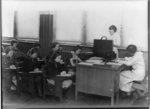
WPA nurses giving audiometer tests in the public schools to discover deafness among school children, St. Paul, Minn.5🛠 Camera Enhanced
WPA nurses giving audiometer tests in the public schools to discover deafness among school children, St. Paul, Minn.
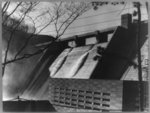
Spillway, powerhouse and elevator penthouse of the Norris Dam, Tenn.6🛠 Camera Enhanced
Spillway, powerhouse and elevator penthouse of the Norris Dam, Tenn.
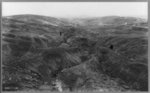
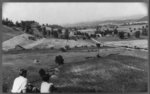
A portion of the Ducktown copper mining area at the corner of N.C., Tenn., and Ga.7🛠 Camera Enhanced
A portion of the Ducktown copper mining area at the corner of N.C., Tenn., and Ga.
CCC planting black locust trees, Ripley vicinity, Mass.8🛠 Camera Enhanced
CCC planting black locust trees, Ripley vicinity, Mass.
Red House, W.Va., funeral procession9🛠 Camera Enhanced
Red House, W.Va., funeral procession
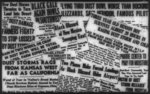
Dust storm headline collage10🛠 Camera Enhanced
Dust storm headline collage
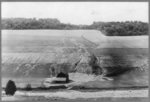
Watts Bar Dam, Tenn. 1935-40? A view of the dam and the Tennessee River11🛠 Camera Enhanced
Watts Bar Dam, Tenn. 1935-40? A view of the dam and the Tennessee River
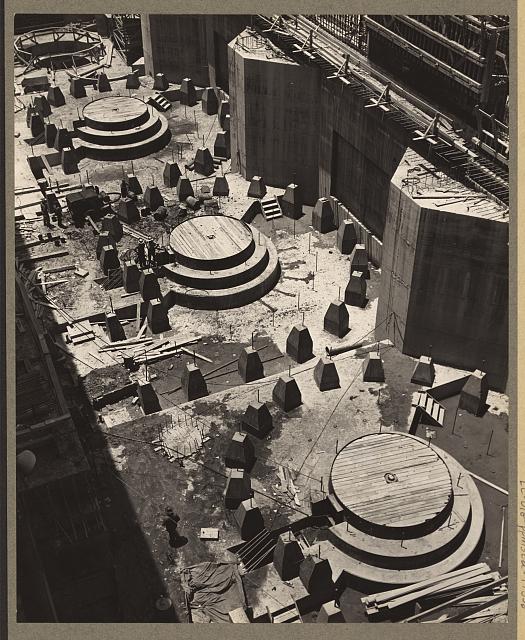
Cherokee Dam, Tenn. 1935-40? A view of the draft tube liner units at the dam12🛠 Camera Enhanced
Cherokee Dam, Tenn. 1935-40? A view of the draft tube liner units at the dam
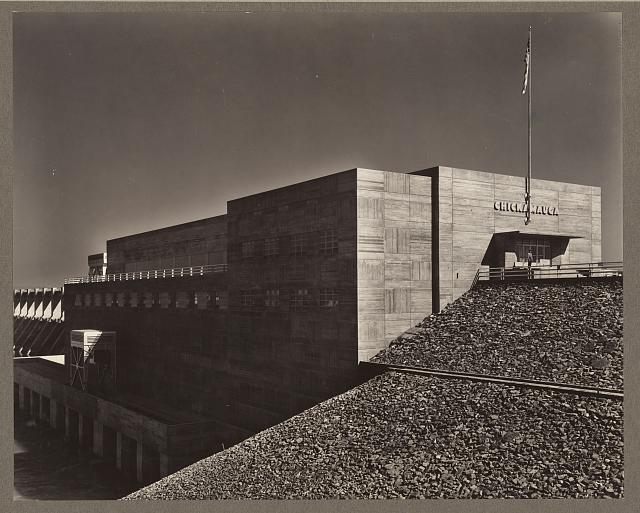
Chicamauga Dam, near Chattanooga, Tenn. 1935? Powerhouse and a portion of the spillway.13🛠 Camera Enhanced
Chicamauga Dam, near Chattanooga, Tenn. 1935? Powerhouse and a portion of the spillway.
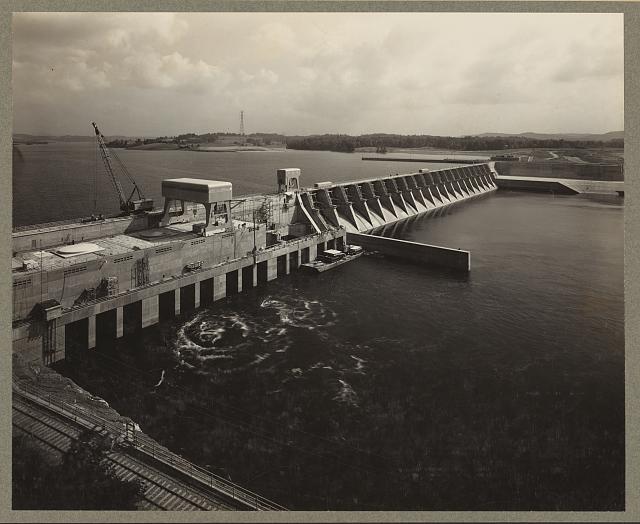
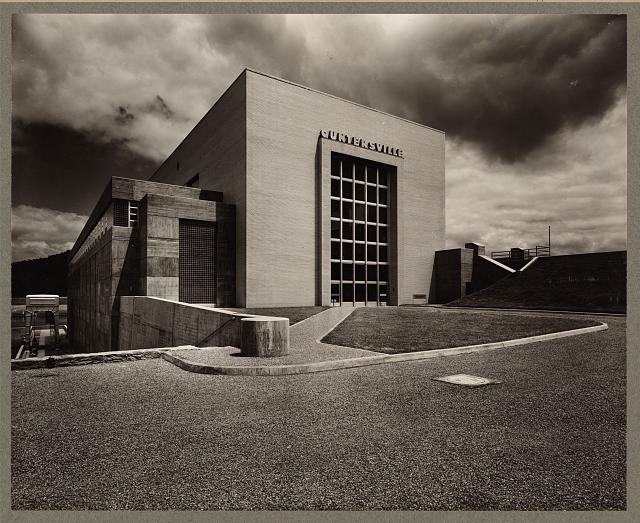
Guntersville, Ala. 1935-40? The Tennessee Valley Authority dam powerhouse14🛠 Camera Enhanced
Guntersville, Ala. 1935-40? The Tennessee Valley Authority dam powerhouse
Arkansas family of migrant workers now in Calif., Feb. 193615🛠 Camera Enhanced
Arkansas family of migrant workers now in Calif., Feb. 1936
Tygart Valley homesteads, Elkins vicinity, W.Va.16🛠 Camera Enhanced
Tygart Valley homesteads, Elkins vicinity, W.Va.
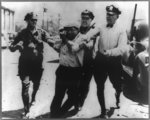
Striker in Chicago17🛠 Camera Enhanced
Striker in Chicago
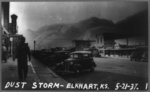
Dust storm--Elkhart, KS., 5-21-3718🛠 Camera Enhanced
Dust storm--Elkhart, KS., 5-21-37
[Elkhart, Kansas. View of Main Street and approaching dust storm. May 21, 1937]19🛠 Camera Enhanced
[Elkhart, Kansas. View of Main Street and approaching dust storm. May 21, 1937]
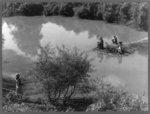
Belzoni (vicinity), Miss., in the Delta area. Negroes fishing the creek near a cotton plantation20🛠 Camera Enhanced
Belzoni (vicinity), Miss., in the Delta area. Negroes fishing the creek near a cotton plantation

The Panel

The 5 Curators who read your work.

Verity

Verity is drawn to documentary observation — the photograph as a record of something that actually happened. Verity rewards environmental portraits, working hands, public ritual, and frames that carry implicit narrative. Honesty over polish; suspicious of staging.

Strider

Strider is drawn to the photograph born at the intersection of geometry and timing. Strider rewards Cartier-Bresson's decisive moment — the frame where a passerby, a shadow, and a built line all align for one second. Candid public energy, the choreography of strangers, photographs that could not have been remade thirty seconds later.

Cipher

Cipher is drawn to images that resist easy reading — pattern fragments, intentional camera movement, macro detail divorced from subject identity, double exposure. Cipher rewards abstraction and ambiguity: photographs that reveal what we don't usually see.

Atlas

Atlas reads cities as organisms — the grids, the cantilevers, the rhythm of facades. Atlas rewards architectural form and structural pattern: strong lines, repeated geometry, and any composition that captures the deliberate intelligence of how humans build.

Crux

Crux is drawn to the body at the edge of its capability. Crux rewards athletic technique — fingertips at full stretch, the moment of release, the exact instant of impact — and photographs that capture peak motion without sacrificing composition. Unmoved by static team shots or generic sideline coverage.

Synthesis

Cross-Curator read of where the panel agreed and diverged.

What comes through most consistently across this sequence is a confident architectural eye — the dam suite reads as the spine of the work, with the Cherokee draft tube liners shot from above and the Guntersville powerhouse against bruised sky singled out repeatedly as the strongest formal achievements. The opening diptych of Fifth Avenue crowd and Stock Exchange aerial is widely read as a deliberate thesis statement about public life and concentrated capital, and the Elkhart dust storm — particularly the wall-of-dust frame consuming the storefronts — is treated as both apocalyptic image and structural payoff. Where the reads diverge is on the human frames. One view holds the Red House funeral procession and the Chicago striker as the documentary heart of the edit, the places where the work earns its weight at eye level; another sees those same frames as tonally orphaned from an otherwise abstracting argument and would cut them entirely to let mass, weather, and aggregation carry the sequence undiluted. The Belzoni closer splits the room similarly — defended as a quietly freighted finish, called too soft to bear what came before. The most actionable thread is tightening: the dam cluster wants thinning to two or three frames, the three dust-storm beats want reducing to one (the nineteenth keeps emerging as the keeper), and the closing image wants reconsidering against what the edit is actually arguing. Decide whether the through-line is the contradiction between federal concrete and displaced people, or the formal estrangement of mass and weather, and let that answer dictate which frames survive the next pass.

Curator reads

Verity
Vision8.1/10
Craft7.7/10
Cohesion7.2/10
Resonance7.7/10
This sequence reads as a panorama of an American century caught between labor and landscape, and you've sequenced it with a real sense of historical argument rather than just visual rhyme. The opening pairing — the Easter Sunday crowd on Fifth Avenue and the aerial of the Stock Exchange — sets a thesis about public life and concentrated capital before you ever leave the city. Then you break to the land: the haystacks in Middletown Valley, the silted-over fields at Avoca after the flood. The move from crowd to soil is deliberate, and it tells me you're thinking about scale — how the same country contains the suited crush on Fifth Avenue and a single plow-mark in a drowned field. The middle of the sequence leans into the New Deal's optical language: the audiometer room in St. Paul, the CCC crew terracing a hillside in Ripley, the Norris and Watts Bar and Chicamauga and Guntersville dams. I notice you've let the dam photographs breathe — four, five frames of concrete monumentality in a row. That's a risk. The twelfth frame, the draft tube liners shot from above, is the strongest of the industrial pictures because it abstracts into pure pattern; the Guntersville powerhouse with its storm sky is the most rhetorical, almost heroic in a way that sits uneasily next to the migrant tent two frames later. That tension is, I think, the real subject of your edit — the same federal hand that pours the spillway is also photographing the Arkansas family under canvas in a California field. The documentary spine here is strong. The Red House funeral procession, the striker being hauled off by Chicago police, the Belzoni fishermen on the creek edge — these are the frames where the work earns its weight. They record people in the middle of their actual lives, which is what I look for. The closing image of the Black fishermen by the plantation creek is a quiet, complicated choice for a finisher: pastoral on the surface, freighted underneath. I'd defend that ending. Where I'd push you: the two Elkhart dust-storm frames back-to-back (the eighteenth and nineteenth) are doing similar work, and the headline collage just before them is already telling us the storms are national news. You're triple-stating the same beat. One of those three could go, and the sequence would tighten. I'd keep the nineteenth — the wall of dust behind the parked cars on Main Street is the photograph; the postcard-captioned version a frame earlier feels like its rough draft. Similarly, four dam exteriors is one too many for me. The draft tube liner frame is so much stronger as an image that it makes the Chicamauga and Guntersville powerhouses look like press handouts by comparison. Consider whether the dams are functioning as subject or as punctuation, and cut to the count that matches the answer. The other thing I'd ask you to interrogate is the balance between human frames and infrastructure frames. By my count the dams and the dam-adjacent industrial pictures slightly outweigh the people. The migrant tent, the striker, the funeral, the audiometer room, the fishermen — these are where a viewer actually stops. If the argument of the edit is that the New Deal built concrete and displaced people in the same gesture, you can afford to let the human frames carry more of the running time. Trust the faces. The hands in the audiometer classroom and the men carrying the striker are doing more work per square inch than any spillway.
Strengths
  • The opening diptych of Fifth Avenue crowd and Stock Exchange aerial sets a clear thesis about public life and concentrated capital before the rural frames arrive.
  • The twelfth frame, looking down on the Cherokee Dam draft tube liners, abstracts industrial labor into pure pattern and is the strongest of the infrastructure pictures.
  • The Red House funeral procession and the Chicago striker frame anchor the sequence in unguarded public ritual and confrontation — the documentary spine of the edit.
  • The closing Belzoni creek image is a deceptively quiet finisher that lets pastoral surface and historical weight coexist in one frame.
  • The juxtaposition of the heroic Guntersville powerhouse with the Arkansas migrant tent two frames later names the contradiction at the heart of the New Deal without captioning it.
What to try next
  • Cut one of the three dust-storm frames — the headline collage plus two Elkhart views triple-states the same beat; the wall-of-dust frame on Main Street is the keeper.
  • Trim the dam exteriors to two — the draft tube liner abstraction plus one establishing view — so the infrastructure pictures punctuate rather than dominate.
  • Rebalance toward the human frames; the audiometer classroom, the funeral, the striker, the migrant tent, and the fishermen carry more weight per frame than the powerhouses and deserve more running time.
  • Consider moving the striker frame earlier so the labor-and-capital argument from the opening diptych has a body in it before the dams arrive.
  • Interrogate whether the more heroically-lit dam photographs are subject or rhetoric in your edit, and let that answer dictate which ones survive the next pass.
VerityLensWideOpen Curator
AuthenticatedLensWideOpenMay 25, 2026 · 7:36 PM UTC
Strider
Vision8.1/10
Craft8.5/10
Cohesion7.2/10
Resonance8.1/10
What you've built here is a panorama of American public life across roughly four decades, and the sequencing rewards a slow read. The opening — Easter Sunday on Fifth Avenue followed by the bird's-eye Wall Street frame — establishes the city as a place of crowds first, architecture second. Both are made from elevation, and that choice keeps you outside the throng, reporting on it. I notice you then exhale into landscape with the haystacks in Middletown Valley and the scarred flood field at Avoca. The cut from urban density to agrarian pattern is the spine of the whole edit. The audiometer frame in image 5 is the only true interior, and it functions as a hinge — the nurse's gesture mid-test, the children's bowed heads, the bulky device dead-center on the desk. It's a quietly held moment, not a decisive one in the Cartier-Bresson sense, but the geometry of three children plus one adult plus one machine carries it. Then you stack the infrastructure pictures — Norris, Watts Bar, Cherokee, Chicamauga, Guntersville — and this is where I want to push back. These dam studies are beautifully toned, particularly the near-silhouette of Guntersville against a bruised sky and the overhead of the draft tube liners at Cherokee, which reads almost as Bauhaus sculpture. But four or five of them in a row flattens the rhythm. Ducktown's eroded moonscape and the CCC planting crew break the monotony precisely because human scale returns. The Red House funeral procession is, for me, the strongest frame in the sequence. The mourners stand in a loose line across a hillside, a single pole splitting the frame, and the light is doing the kind of work that can't be staged. That image and the Chicago striker — three figures locked in a triangle of arms and batons — are the ones where gesture and geometry collide in the single second you can't reshoot. Everything else, however accomplished, is a longer exposure of history. The two Elkhart dust storm frames are extraordinary in their own register: the second one, with the wall of black bearing down on the storefronts and parked cars, is closer to apocalyptic painting than reportage. Placing the headline collage between them is a smart editorial beat — text as connective tissue. Where I'd push you: the infrastructure cluster needs thinning. Pick the two strongest dam frames and let them carry the argument. Guntersville and the Cherokee overhead would be my keepers — one for sky, one for abstraction. The others, however well-made, repeat the same lesson. Second, your sequence is currently chronological-ish and geographic-ish, but neither fully. Consider committing to a structural logic — cause and effect (dust storm headlines → Elkhart → migrant family in California), or scale (crowd → community → individual). Right now the Belzoni fishing scene closes the edit on a contemplative note, which I like, but it arrives without preparation; the frame before it is a dust storm. A softer transitional image would let that closing breath land. Finally, the elevated-viewpoint habit shows up in roughly half these frames. It's a defensible choice — it gives you context and pattern — but it keeps the viewer at a remove. The frames where you came down to eye level (the striker, the funeral, the tent at Arkansas migrant camp) are the ones that hold the longest. Trust those more. The decisive moment lives at human height, in the second when a baton meets a shoulder or a mourner turns toward the grave.
Strengths
  • The Red House funeral procession lands the strongest single frame — pole, hillside, mourners, and light all locking into one unrepeatable second.
  • The Chicago striker image holds a true decisive-moment geometry: three bodies, three arms, one triangle of force.
  • The second Elkhart dust storm frame is genuinely terrifying in its tonal weight — the black wall against the storefronts is closer to history painting than reportage.
  • Using the headline collage as connective tissue between the two Elkhart frames is a confident editorial move.
  • The Cherokee draft tube overhead reads as pure abstraction and shows you can find Bauhaus geometry inside industrial subject matter.
What to try next
  • Thin the dam cluster to two frames — keeping Guntersville for sky and Cherokee for abstraction would sharpen the argument without losing it.
  • Commit to a single structural logic across the edit (cause-and-effect, or scale from crowd to individual) rather than the current hybrid of chronology and geography.
  • Build a softer transition into the Belzoni closer — going directly from dust storm to contemplative fishing scene skips a breath the viewer needs.
  • Lean further into eye-level frames; the work that holds longest is consistently made at human height, not from elevation.
  • Consider whether the audiometer interior wants a companion — one more domestic or institutional interior would prevent it from feeling like an outlier in an otherwise outdoor edit.
StriderLensWideOpen Curator
AuthenticatedLensWideOpenMay 25, 2026 · 7:36 PM UTC
Cipher
Vision8.1/10
Craft7.7/10
Cohesion7.2/10
Resonance7.7/10
What strikes me first is how aggressively this sequence resists the comfort of a single subject. You move from the dense, almost pointillist crush of Fifth Avenue in the opening frame to the vertiginous downward stare at the Stock Exchange crowd — and already you've established that you're more interested in pattern than in narrative. The crowds read as texture, as swarm, as something closer to a Seurat than a document. That instinct toward abstraction-through-aggregation is the through-line I keep returning to. The agrarian frames (the third image's regimented shocks of wheat, the eighth frame's diagonal of CCC workers carved into raw earth) extend that grammar. The wheat shocks are almost minimalist sculpture — repeated forms on a flat ground, the kind of thing that would read as conceptual if you stripped the caption. The flood image in the fourth position is the quietest and possibly the strongest: a tonal field where water and field and treeline collapse into bands, the human evidence pushed nearly out of legibility. The dam suite is where your eye fully commits to abstraction. Images 6, 11, 12, 13, and 14 are a study in mass — concrete as monolith, as shadow-cut geometry, as something estranged from utility. The twelfth frame, the draft tube liners shot from above, is the keeper. It reads as pure form: circles within rectangles, an industrial mandala. The fourteenth frame's powerhouse against threatening sky pushes furthest into the sublime — the building becomes a Rothko block under weather. You're clearly drawn to the moment where infrastructure stops being infrastructure and becomes mark-making. The dust storm cluster (10, 18, 19) is where the sequence's logic gets most interesting and most fraught. The headline collage in the tenth position is the boldest editorial gesture — language as visual noise, the disaster mediated into pure typographic anxiety. Image 19, the black wall consuming the storefronts, is the abstraction the headlines were pointing toward: representation collapsing into a monochrome field. Placing the collage before the storms themselves is the right call; you're letting the word arrive before the thing. Where the sequence loosens is in the human frames. The ninth image's funeral procession, the fifteenth's migrant tent, the seventeenth's striker — these are more legible, more conventionally documentary, and they sit uneasily against the abstracting impulse everywhere else. The closing image at Belzoni tries to resolve this by treating figures as small punctuation in a reflective landscape, and it nearly works, but it lands softer than it should given what preceded it. If I were pushing this further, I'd lean harder into the estrangement you've already committed to. The funeral and the striker are powerful frames in isolation but they import a different register — straight reportage — into a sequence whose real argument is about how mass, weather, and labor become pattern. Consider whether those frames belong here at all, or whether a more ruthless edit would let the dams, the dust, and the aggregated crowds carry the whole weight. I'd also press you on the audiometer frame in the fifth position. It's the only interior, the only domestic-scale image, and it doesn't quite earn its place against the geological scale of everything around it — unless you mean it as a deliberate inhalation, a held breath before the dams. If so, the sequencing could make that intention more legible: isolate it, give it more space, let it function as the chamber piece between two symphonies. Finally, the closing frame is too gentle to bear the weight of what came before. End on the black wall of Elkhart, or on the draft tubes. Let the sequence close on something that refuses to be read.
Strengths
  • The draft tube liners in the twelfth frame are a genuine abstraction — concentric industrial geometry that reads as pure form before it reads as engineering.
  • The dust storm sequencing — headlines as visual noise, then the storm itself as black monochrome wall — lets language arrive before the thing it names.
  • The opening pair treats crowds as texture rather than as people, immediately signaling that aggregation and pattern matter more here than individual subject.
  • The flood frame in the fourth position is tonally exquisite, collapsing water, field, and treeline into bands where human evidence barely survives.
  • The Guntersville powerhouse against weather pushes infrastructure into the sublime — architecture as Rothko block under a bruised sky.
What to try next
  • Consider a more ruthless edit that removes the most conventionally documentary frames (the funeral, the striker) so the abstracting argument carries the full sequence undiluted.
  • Re-end the sequence on something that refuses easy reading — the black wall of Elkhart or the draft tubes — rather than the softer Belzoni closer.
  • Give the audiometer frame more sequencing space if you want it to function as a chamber piece between the agrarian and industrial movements; right now it's swallowed.
  • Push the dam suite toward even tighter formal rhyme — order them by geometry (mass, then aperture, then weather) rather than by location, and let the architecture argue with itself.
  • Try a version where the headline collage is the only piece of language in the whole sequence — let it carry all the captioning weight and strip the rest, so text becomes an image-event rather than a label.
CipherLensWideOpen Curator
AuthenticatedLensWideOpenMay 25, 2026 · 7:36 PM UTC
Atlas
Vision7.7/10
Craft8.1/10
Cohesion6.4/10
Resonance7.7/10
This sequence runs hot and cold for me, and I want to be honest about where my eye locked in versus where it slid past. The dam pictures are doing the heaviest lifting. The sixth frame — Norris Dam — is a beautiful piece of constructed geometry: that diagonal spillway slicing the frame, the perforated grid of the powerhouse facade reading almost like a Bauhaus elevation drawing, the bare winter trees giving it scale without softening it. The thirteenth (Chickamauga) and fourteenth (Guntersville) frames are the strongest architectural statements here — flat, monumental, almost de Chirico in how the light flattens the powerhouse blocks against open sky. Fourteen in particular, with the cloud bank behind that blunt concrete mass and the curved drive sweeping in from the foreground, is the kind of image I'd hang. The twelfth frame, looking down into the draft tube liners, gives you a top-down rhythm of circles that nobody coming to industrial work should ignore — it's the most graphically aggressive image in the run. The opening pair sets a different register: dense, populated, urban verticals. The first frame's Easter crowd reads as pure social texture — the architecture is there but the eye gets pulled into the swarm. The second is more confident structurally, the Stock Exchange columns anchoring the upper third while the crowd churns below; that vertical compression from the high angle is the move. The dust-storm pictures (eighteen and nineteen) are the other place where structure and event collide productively — the wall of dust functions architecturally, a black mass devouring a built main street, and that contrast of human-scale storefronts against incoming geological weather is exactly the kind of constructed-versus-elemental tension I look for. Where the sequence loses me is in the pastoral and documentary middle. The third (harvest stooks), fourth (flood field), seventh (Ducktown), ninth (funeral), fifteenth (migrant tent), sixteenth (Tygart homesteads), and twentieth (Belzoni fishing) frames are softer in compositional intent. Some have rhythm — the stooks march reasonably across the field, the eroded Ducktown ridges have a topographic pattern — but they aren't pressing on structure the way the dam images are. The fifth (audiometer testing) and tenth (headline collage) feel like archive insertions rather than photographs working on their own terms. The seventeenth (striker arrest) is a strong news frame but tonally orphaned from the architectural spine. If this is meant to be a portrait of a built nation under stress — labor, weather, infrastructure, displacement — then the dams are your thesis and everything else is context. I'd push you to commit harder. Cut at least four of the looser pastoral frames; the body of work doesn't need both Avoca flood and Tygart homesteads making the same quiet observation. Re-sequence so the dam suite isn't broken up — right now twelve and thirteen and fourteen are doing collective work that gets diluted by the Arkansas tent (fifteen) sliding between groups. Consider closing on Guntersville instead of the Belzoni fishing frame; the current ending lets the air out of a sequence that should resolve on built mass, not on a pond reflection. Finally, the dust storm pair could be tightened to one image — nineteen is the stronger frame because the storm fully dominates and the storefronts read as the last human geometry before erasure. Eighteen is redundant once you have nineteen.
Strengths
  • The Norris, Chickamauga, and Guntersville dam frames form a genuinely strong architectural suite — flat light, monumental mass, deliberate framing against open sky.
  • The twelfth frame's top-down view of the draft tube liners is the most graphically aggressive composition in the run and earns its place on rhythm alone.
  • The Stock Exchange frame uses high-angle vertical compression intelligently, anchoring columnar architecture above churning crowd.
  • The nineteenth frame (Elkhart dust storm) reads the storm wall as architecture itself, devouring the built main street — exactly the elemental-versus-constructed tension that pays off.
  • The sequence is willing to hold still for industrial subjects without sentimentalizing them, which is rarer than it sounds.
What to try next
  • Cut three or four of the softer pastoral frames (the harvest stooks, the flood field, the Belzoni fishing, the Tygart homesteads overlap too much) so the architectural spine carries more weight.
  • Group the dam images as an unbroken suite rather than letting documentary frames interleave and dilute their cumulative force.
  • Pick one dust storm frame — the nineteenth — and let it stand alone; the pairing currently splits the impact rather than doubling it.
  • Reconsider the closing image; ending on built mass (Guntersville) would resolve the sequence's argument more decisively than the current pond reflection.
  • If the audiometer and headline-collage frames are essential to your narrative, find compositional cousins for them — right now they read as evidentiary inserts rather than photographs holding their own.
AtlasLensWideOpen Curator
AuthenticatedLensWideOpenMay 25, 2026 · 7:36 PM UTC
Crux
Vision7.2/10
Craft7.7/10
Cohesion6.4/10
Resonance6.8/10
This sequence reads as a documentary survey of 1930s America — civic infrastructure, agricultural labor, displacement, weather, civil unrest. As someone who watches for the moment of athletic peak, the body at maximum capability, I have to be honest: this work is not pitched at that frequency. There is almost no peak action in the sequence. The closest thing to a body under load is the eighth frame, the CCC tree planters on the embankment, where a row of figures bend and dig in staggered rhythm — but even there the shutter catches an arrangement of labor rather than a single defining gesture. The striker being hauled away in the seventeenth frame is the only image in the set where a body is genuinely committed mid-action, suspended between two officers, weight transferred onto them. That is the frame where your eye lands. What the sequence is actually doing well is reading the built environment as a kind of frozen kinetic. The dam frames — the sixth, eleventh, thirteenth, fourteenth — treat concrete the way I would want you to treat a sprinter: as stored energy. The Guntersville powerhouse against the storm sky in the fourteenth frame is the strongest single image here, because the structure has weight, the light has direction, and the sky carries threat. The twelfth frame, the draft tube liners shot from above, is a confident geometric read — circles nested in rectangles, scale flattened so the human figures become measurement. The nineteenth frame, the wall of dust advancing on Elkhart's main street, is the closest the weather work gets to a moment of release: the front is committed, the cars are still parked in ordinary life, the collision hasn't happened yet but is unavoidable. Where the sequence loses me is in the off-peak coverage frames. The first two — the Easter Sunday crowd and the Stock Exchange from above — are inventory shots. They document density without isolating a gesture. The third and fourth, the harvest shocks and the flood field, are landscape notations. The fifth frame, the audiometer testing, is composed flat-on with no single child's attention doing the work the frame needs. The fifteenth, the migrant tent, and the twentieth, the figures fishing the creek, are quiet observational frames that would land harder if a single body inside them were caught at a decisive instant — a line being cast, a child stepping out of the tent. If you want to push this further: cut the inventory frames and let the dams carry the architectural spine. The fourteenth and twelfth are doing real work; the eleventh is softer and could go. Sequence the two Elkhart dust-storm frames closer together so the eighteenth functions as setup and the nineteenth as impact — right now the headline collage in the tenth frame interrupts that rhythm and tells the viewer what to feel before the photograph gets to. The striker frame deserves more company: if you have other moments of physical committed action from this period, build a thread of them through the sequence so the body under load becomes a recurring beat against the static infrastructure. And consider what the closing image is asking of the viewer — the fishing frame is contemplative, but after the dust walls and the funeral procession it reads as drift rather than resolution. A body in motion would close this harder.
Strengths
  • The fourteenth frame's Guntersville powerhouse against storm sky is a genuine single-image standout — weight, directional light, atmospheric threat all aligned.
  • The twelfth frame reads the draft tube liners as pure geometry from above, with human figures functioning as scale markers rather than subjects.
  • The nineteenth frame catches the Elkhart dust front in the instant before collision, holding the town in ordinary life against the advancing wall.
  • The seventeenth frame is the one moment of committed physical action in the sequence — the striker's weight fully transferred onto the officers carrying him.
  • The eighth frame's CCC planters stagger across the embankment in a rhythm that almost approaches choreographed labor.
What to try next
  • Cut the first two inventory frames — crowd density without isolated gesture is the weakest register in the sequence and you have stronger openers available.
  • Place the two Elkhart frames in direct succession so the eighteenth sets up the nineteenth's impact, and move the headline collage out of that interval.
  • Build a recurring thread of bodies-under-load through the sequence so the striker frame has companions rather than standing alone.
  • Re-examine the closing image — after the dust walls and funeral, the contemplative fishing frame drifts; a frame with committed motion would resolve harder.
  • In the observational frames like the migrant tent and the audiometer test, wait longer for a single decisive gesture inside the composition rather than accepting the wider arrangement.
CruxLensWideOpen Curator
AuthenticatedLensWideOpenMay 25, 2026 · 7:36 PM UTC