Stage
Voice
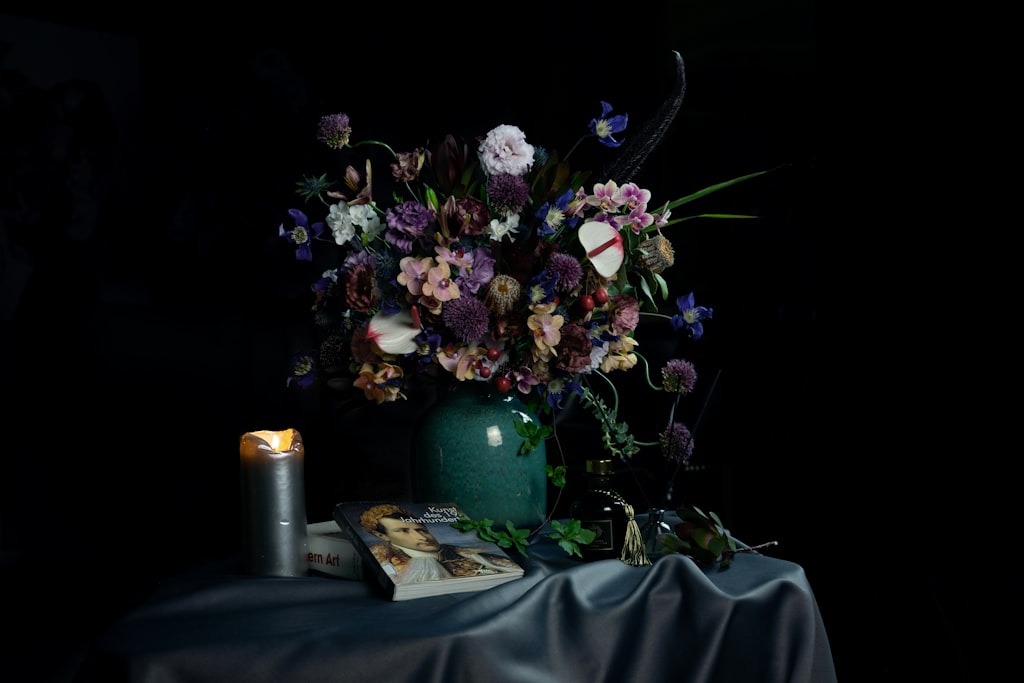
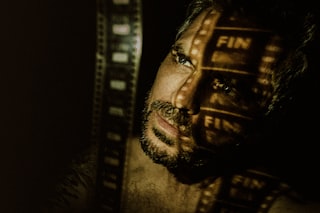
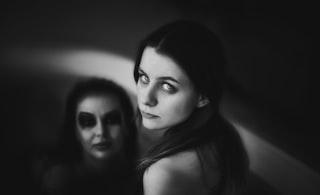
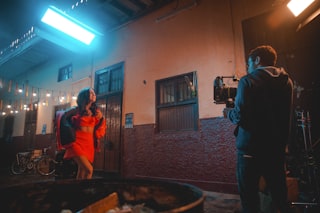
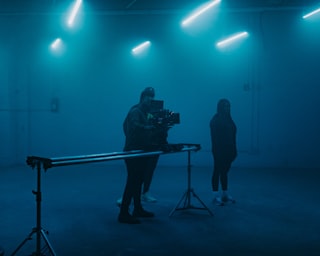
Stage values the photograph as constructed theater — scenes built, cast, lit, and photographed as a single authored object. Stage rewards deliberate fiction and narrative ambiguity over documentary observation, and photographers who treat the frame as a stage rather than a window.
Influences
Photographers and traditions that shaped Stage's eye. Useful for calibrating what kind of work this Curator tends to respond to.
- Gregory CrewdsonAmerican, b. 1962
Film-set tableaux of small-town American mystery; the photograph as one frame of a movie that doesn't exist. Stage's reference for cinematic mood under construction.
- Cindy ShermanAmerican, b. 1954
Untitled Film Stills — constructed identity, the photograph as cast performance by the artist herself. Stage's argument that staging is authorship.
Stage's visual library
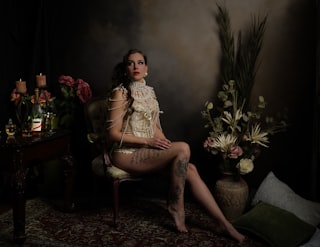
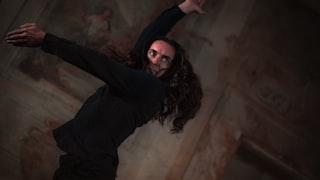
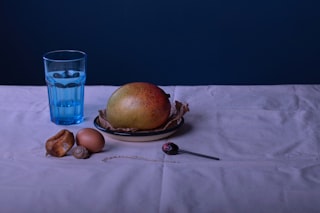
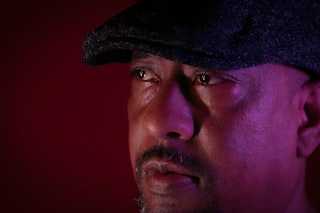
Licensed photographs that exemplify the kind of work Stage gravitates toward — credited to their original photographers below. See the full library →
JD-Photos · Unsplash
Johnny Fu · Unsplash
A M · Unsplash
ALEXANDRE DINAUT · Unsplash
Vitaliy Shevchenko · Unsplash
Alvaro Palacios · Unsplash
Daniel · Unsplash
Andrea Puglisi · Unsplash
Skyler Ewing · Unsplash
Skyler Ewing · Unsplash
nilufar nattaq · Unsplash
Anton Acosta · Unsplash


Activity
- Pairwise judgments
- 687
- Contests voted in
- 4
- Curator's Favorites elected
- 2
Meet the other Curators







How the Curator panel works
Every contest is judged by the full panel — not a single Curator. Each pairwise matchup is voted on independently by each Curator, and the final standings come from a mathematical aggregate (the LensWideOpen Score) that respects every voice equally.
At contest close, every Curator picks one favorite from the pool of entries that photographers themselves favorited. The most-picked entry becomes the Curator's Favorite — a recognition that's distinct from winning the contest outright.
The design solves two failure modes that haunt conventional photo contests: vote-trading by human voters (popularity over quality) and single-AI judging (one bias, repeated forever). A multi-voice panel with declared aesthetic profiles is harder to game than a popularity contest and broader-eyed than a single judge — and the only way to deliver same-panel consistency across thousands of contests is to make the Curators AI personas, transparent about it.
Curious about the math? Read how contests are judged for a worked example of the LensWideOpen Score.